
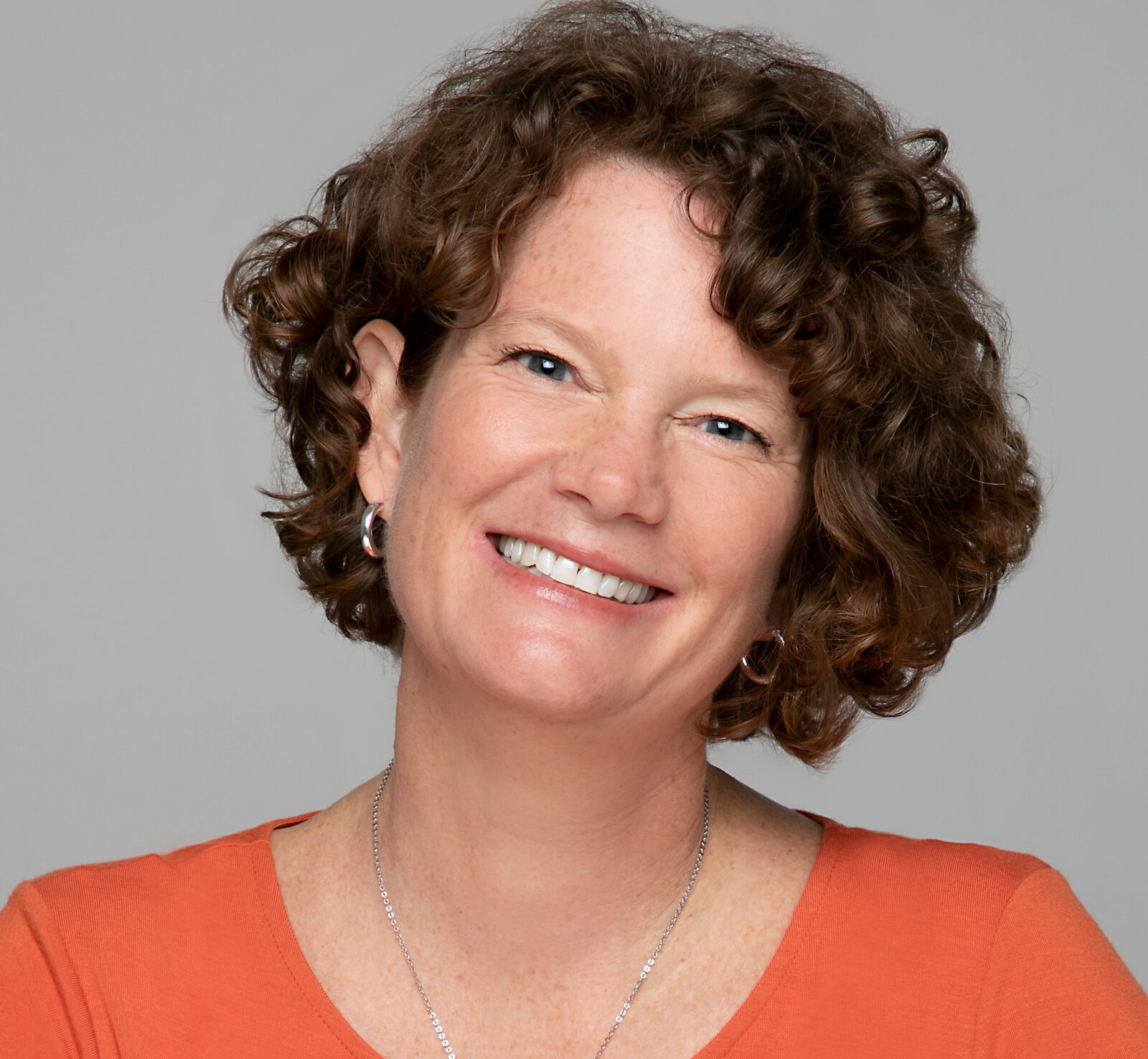
Amy Lang is a longtime sexuality educator and the founder of Birds & Bees & Kids, where she helps parents—including those raising neurodivergent kids—talk with their children about sex, consent, and relationships with confidence and clarity.
554: Teens & Sex! Listener Questions
Amy Lang
In this episode, Hunter Clarke-Fields welcomes Amy Lang to answer a listener’s question about teens and sex, and to explore how parents can support their child’s healthy sexual development. They cover how to have open, sex-positive conversations with teens, address the effects of technology and pornography, explain the importance of consent and safe sex, and offer guidance for preparing teens for their first sexual experiences. Parents will also learn practical tips for navigating uncomfortable but essential discussions about teen sexuality and relationships.
Ep 544- Amy Lang Listener Q
Read the Transcript 🡮
*This is an auto-generated transcript*
Hunter (00:00):
You're listening to the Mindful Mama podcast, episode #554. Today we're talking about teens and sex: we are answering listener questions with Amy Lang.
Hunter (00:20):
Welcome to the Mindful Mama Podcast. Here it's about becoming a less irritable, more joyful parent. At Mindful Mama, we know that you cannot give what you do not have. And when you have calm and peace within, then you can give it to your children. I'm your host, Hunter Clarke-Fields. I help smart, thoughtful parents stay calm so they can have strong, connected relationships with their children. I've been practicing mindfulness for over 25 years. I'm the creator of the Mindful Parenting Course and Teacher Training and I'm the author of the international bestseller, “Raising Good Humans”, “Raising Good Humans Every Day”, and the “Raising Good Humans Guided Journal”.
Welcome back to the Mindful Mama podcast. So glad you are here. Today I am again talking to Amy Lang. I brought her on because I needed some help with the listener question. It was a little beyond my pay grade as far as the sexuality question. So I brought on Amy Lang, a longtime sexuality educator and founder of “Birds and Bees and Kids”, where she helps parents, including those raising neurodivergent kids talk with their children about sex, consent, and relationships with confidence and clarity. And Amy has been on the podcast before. You can hear her on episode number 389, talking to tweens about sex. That is so, so important. We talked on episode #416, “How to Keep Kids Safe From Porn”, and episode #268, “Birds and Bees: How to Protect Your Child” with Amy Lang.
So these are all really great episodes. I recommend you listen to them. But today we are going to be talking about a listener question that was brought in and it led us down the rabbit hole of questions about tweens and teens and sex. And yeah, we are very open and honest in this episode about some different questions ranging from porn, sex positivity, when do you share your stories of sex? She has some great book recommendations. just ordered one of them. So yeah, this is a really good episode and really important for you to listen to as well as all other episodes with Amy. There are some of my personally, know, personally, these are the episodes I recommend most to friends. I know like you should listen to this or the podcast I recorded with Amy Lang because just there's so much safety in having a kid who is educated, who is getting their education about sex and sexuality from you and not from the internet. without further ado, join me at the table as I talk to Amy Lang.
Thanks for coming back on the Mindful Mama Podcast. so glad you're here.
Amy Lang:
I'm happy to be here too. I always love talking with you, too.
Hunter:
I had a listener call into the question and I thought, this is kind of above my pay grade. I need some help. So you are the person I thought to ask. And we're going to play the listener's question. Here it is:
“Hi Hunter, my question for you involves sexuality and sex positivity in raising teenagers. My oldest daughter is 15, about to turn 16. We know she's been sexually active in the past and we want to raise her in a sex positive, shame free environment. And so in terms of allowing her to have her boyfriend over or in her room with the door closed and to have a space to explore sexuality in private, what is it? And what should we be allowing and what should we not be allowing? Especially when it comes to dealing with other people's children: I'm always a little trepidatious about whether or not I can make my home or if it's right to make my home a place of where sexual exploration can happen.”
Okay, so this listener wants to have sexuality and sex positivity in raising teenagers. Daughter about to turn 16. She's already sexually active. What is, and she doesn't want to be shame-free, so what does she say to her about the boyfriend? This is so fascinating because I was like, oh my gosh, I have no idea what to tell her what to say, but you know, it's interesting. was thinking about like, oh, what would we have done in the past? would have just been like, don't ask, don't tell policy, basically, right? If we, if this was back in the day and, somehow I feel like maybe that was kind of a perfect, I don't know. What do you think Amy?
Amy Lang:
Thank you for asking. So first of all, of course, I have to say, I this child is birth controlled up one side and down the other. I'm assuming she is if the mom already knows that she's sexually active. And then of course condoms and all the usual stuff needs to be in play because that's super important. But this is one of those things where you're kind of, my spouse is very funny. And what he said is, I don't want to hear it, see it or smell it. Which is, and I'll thank you, and I don't want to think about it, right? Which is really kind of the thing, right? Like the safest place for them to have sex is at home. know, many of us had sex in places that were not safe when we were teenagers. Car, rando, places that were not safe, sneaking, right? So chance of being caught.
So, you know, as far as that's concerned, I'm a fan of kids being allowed to have sex in their own homes because it's safer. You're going to have condoms there, aren't going to be shame. It's shamey and shameful if they have to sneak around. So this is my values, right? Like we all know I'm a liberal crazy pants about this. But if you have to think about like, what is going to be the best thing for your kid? They're already having sex. pretending like that's not happening as hard as, mean, as hard as that might, as tempting as that might be. It's just not the reality. It's just not the reality. So just being really clear about, know, this is okay. This is why, and we want you to, you know, we want you two to be safe. And then they're gonna do what they're gonna do.
The boyfriend? Honestly Hunter, I don't remember what the boyfriend problem was. We might have to start over again. What was the boyfriend problem?
Hunter:
No, it's- can the boyfriend come over in her room with the door closed?
Amy Lang:
Right. And we weren't really discussing, I mean, don't know, like, there a need to discuss? I mean, I would feel like, okay, can I just react to what you were saying? Because I think that the whole idea of like, yeah, like, I support you and I want you to have a positive relationship with sexuality. I personally think there's nothing wrong with like, you know, a teenager who's informed and, you know, and safe and conscious in all these ways. I personally agree with you in those values that I would be okay with that person having sex. Humans are very sexual species.
Hunter:
That's a great part of life. Like we know that our attitudes around sex impact our kids and we want them to have a great sex life in the future. So if we start out positive, like that's only good, right? And the idea of like saying, I mean, I think that makes some sense to say, “yes, like I'm gonna have condoms for you”. I mean, I have Plan B in my house, even though I have a gay kid. You know what I mean? I'm ready for that. But then also saying, I” don't know if I'd want to be so open to- I don't want to hear a smell any of that either”. Is there any responsibility we have to tell the boyfriend’s family? Are there laws we have to consider? if we're just, I don't know. What are you, what are you saying?
Amy:
So I'm really glad to hear that you have Plan B even though you have a gay kid, because they have friends. So yeah, I mean, I'm glad you're on the same page with me. And I get that this is also kind of hard to think about because of the way we were raised and how it was, you know, not okay and all the crap that happened to us. So with regard to the boyfriend and the, you know, and his family or his parents-
Hunter (10:07)
Yeah, that's what I figure.
Amy Lang (10:32)
He knows his family. He knows if his parents are gonna freak out if they find out about this. They're 16, I'm assuming they're about the same age and they're capable of making a healthy decision about this. So if it is not safe for him to tell his parents what's going on, then I don't think you have an obligation as a parent to fill his family in. That's his responsibility. The good news is under your watch, they're safe, right? Pregnancy is probably not gonna happen, assuming it's all consensual, assuming everybody's having those conversations. That's where I stand with that. I'm thinking, okay, how would I feel if Milo was having, whatever, he's 24, so he is having sex with his girlfriend. If Milo was a teenager and having sex and the father’a parents came to me, what I want them, what I wanna know, what is that like? And yeah, I'd wanna know. Yeah, of course I'd want to know, but I'd want to hear it from my kid and not from another family. That would be feel intrusive and weird. But again, like, I get it. Like this is complicated and not complicated.
Hunter (11:44)
Stay tuned for more Mindful Mama podcasts right after this break.
I mean, I guess it's complicated, depends on what your values are, but this listener specifically said she wants to raise sex positive and have sexually positive kids. I think dear listener, I agree with the expert that it's okay. In fact, you're providing like, you're lessening the shame for them, you're providing safety, you're providing acceptance, and you can provide that acceptance to your level of comfort. Like if you feel like, I don't know, you wanna know less or more or whatever, like, okay, you know, but yeah, it seems like the right and okay thing to do. This is interesting. I have not encountered this question yet with-
Amy:
You might never encounter it, right? And might be like my kid who said they'd never ask me a question. That's been really terrific. Not a word.
Hunter:
Did he never ask you a question? The curse of being a sexuality educator’s child.
Amy Lang (14:32)
I think he felt like his entire like adolescence he was just acting out by like not telling me anything. Like I'd say, having any romance? No. Turns out I just found out that he had like multiple girlfriends over the years. Had no idea. No idea. Yeah, it's been great. Anyway, he seems to be a delightfully well adjusted human.
Hunter:
Is he able to talk about it now that he's 24?
Amy Lang:
Yeah, just barely. And he's been with his girlfriends since they were 19 and they have a really lovely relationship as far as I can tell. He's just a very closed kind of human. Private. And private, that's the word. He's really private. But yeah, we just had a conversation where I was like, say more. And he's like, what do you want to know? And I was like, okay, thank you. But that's brain development. I have a friend who's got kids who about four years older than him, maybe a little bit older. She's like, Amy, just hang in there, when he gets to be like 24, 25, he'll start talking and he's talking. So yeah, okay. So I have a few more thoughts just on this topic. So a couple of things. So first of all, they should be going to her appointments for birth control together. They should be, that should be something they go together because he's the person that can get her pregnant 24/7. He's the person that needs to be just as aware and responsible as she is. so establishing with her and with him that when you're in a relationship with someone, you go get STI tests together. You do your Planned Parenthood clinic, whatever appointment together. And you don't have to have an exam anymore that they just talk to you. There's no reason to look at somebody's business unless there's a problem. And so that establishes like, this is how you have open communication in your relationship. This is how you take your sex life seriously.
If that, if the cure kid is not willing or the other kid's not willing, it's a red flag. That's a red flag, right? And if your child is like super private and doesn't want them there, they can have time with the provider alone. And then the other partner comes in. Because if we keep putting all the pressure on the pregnant, the person that can get pregnant, that's leaving him out of the decision, the responsibility. Even though ultimately the person who gets pregnant is going to have to deal with a whole bunch of crap, lovely crap, a whole bunch, right? If we don't start actively including our impregnators in this, if we don't start actively making sure they understand, like with Milo, we said, if somebody gets pregnant, you're on the hook. You're on the hook. You will be parenting if they want a parent. If they want to terminate, you're going to be on the hook for that. If they want to give the baby up for adoption, that's it. You are in for whatever they want and you are not going to step back from that person, that child. You will be involved in that child's life. And I think that every parent should tell their boys that. think that should be like, these are our values. And there's a book called “Ejaculate Responsibly” that's fabulous. Every human being should read it and it is exactly what it sounds like. It is about men taking over the fact and being responsible for the fact that they, from the age 11 or so until they are dead, they can get people pregnant. For female-bodied people, we're like, I don't know, four days out of the month from 12 until 50 something, right? So, you know, we have to split the script.
Hunter:
Right, we have to flip the script. The book's terrific. The book's terrific, yeah. The book's terrific. Highly, highly recommend. If you have a kid that's 15, 12 and older, everybody should read it. Everybody should read it because it's the way it should be. It's the way it should be. They should be like on, like condoms. You use a condom until you know for sure your partner is on some kind of birth control. Every single time you use a condom. Every single time, because who wants to be involved in an unplanned pregnancy, right?
Amy:
No one. Especially with teenagers. Anyway, so yeah. So just in sum, yes to the closed door. Yes to sex at home. Yes to making sure that they are able to communicate openly, no one's being coerced. Yes to going to medical appointments together. And no to telling the other family, unless there's a reason. No, I love that.
Hunter (19:18)
Alright, I think that's gonna be an awkward conversation of like, hey, so my mom says you should come to me to this appointment. Yeah, I guess my- if it were both of their first times, they need to go if they are using condoms and things?
Amy Lang (19:43)
Absolutely. We want everybody involved in the entire sexual relationship. And generally speaking, I don't advocate for parking children and talking with them. This is a park them and say, I feel really awkward, but I just need to tell you to this. This is what's happening. Y'all need to make an appointment. You need to go to get the birth control together. You need to be taking care of this together and offer to make the appointment for them. I just actually have this very same conversation with the mom exactly the same thing and that was the same thing. Like should I make the appointment? I'm like you can make the appointment if there's some reason you're perfectly capable child.
Hunter:
Okay, but what if they don't need prescription birth control if they are using other forms of birth control that are over the counter?
Amy Lang:
They need to be using some kind of prescription birth control. If they're just using condoms, the chance of pregnancy, they have to use them consistently every single time in the same way. So that tallywhacker can get in there without a condom. Whoops. They can ejaculate and down there and little swimmers can get swimming. I know not every body can, every literal body can handle hormonal birth control, but there are so many options now. It is really important that that's what happens as best they can. And if your kiddo’s already has an IUD or an implant or something like that, if you're a person that can get pregnant, that's great, but you still wanna park them and say, just checking in, what's happening with, have you had STI testing?
Hunter:
Off you go, everybody should have STI testing before they have a new partner, unless it's for sure their first time.
Amy Lang (21:27.15)
Yeah, again, like my whole thing right now is like, get the responsibility handed to the penis haver. Like give them something instead of just riding along with us taking care of everything. It's not fair.
Hunter:
Okay, all right. Once again, I in the lovely place of being the by proxy.
Amy Lang:
Yeah, yeah, I know. know. Every time we talk, you're like, oh no, it drags me up. It drags me up. I'm happy to help you be uncomfortable and I motivate you. I know you, I know I motivate you.
Hunter:
Yeah, I think our other conversations have been more about little kids and dear listener in the outro for this, I'll tell you the episode numbers. So if you want to go and listen to them, you can talk to, you can listen to our conversations about little kids, but we haven't actually had like a big, we haven't had a talk about teens at all. And it's interesting, because you did “Sex Talks for Tweens”, which is Amy's amazing book- and I utilize that a lot with especially daughter #2, who was more open to it than daughter number one, would be kicking and screaming into the night every time. But daughter #2 is now very well informed. I'm assuming daughter #1 is because she's very informed about everything, but she will fight me tooth and nail about any kind of conversation.
You had some other conversations about teens come up and well, let's jump to a question from a listener about pre-teens, which I think was so good.
“My pre-teen wants to know when I had sex for the first time and how many partners I've had, how do I answer it?”
This is really interesting question for me because what we just talked about I got pregnant with my first boyfriend when I was 15 and when he, wasn't even- like full intercourse. It was precum and it got me pregnant when I was 15. And I chose to have an abortion. So I've told both my daughters that I told them both that around when they were about 15, actually, because I want them to know that. And because for me, when that happened to me in my life, at first I tried to like hide it from my parents and get a judicial bypass. And I did. And then I found out how much money it was and stayed over at Island, all these things. And then I left my diary open on the table. I subconsciously did it. I did not consciously want to do that, but part of me, guess, maybe did.
So fascinating, right? And then it all came out. But I got the support I needed from my mom, but I wanted them to know, because also when that happened to me, I found out then that my aunt and so-and-so also in the family had also had an abortion. And it was like, it wasn't just me. And that was really a big relief. So I wanted them to know, “hey, when we talk about the sex stuff and this pregnancy stuff, this is serious because this can happen. This happened to your Grade A, smarty pants mom. So, you know, it can happen to you too”.
So yeah, anyway, what do you say to this? I guess this person who's a preteen wants to know when I had sex Iand how many partners I had.
Amy Lang:
I mean, look at my work, right? Let's just do the math, people. So a couple things. So with a preteen asking that, with any kid, really, you can say, oh, do you know, tell me what's going on? What makes you ask that? Because you want to do a little like, what's happening here? And that's like, oh, I've got to kind of manage myself. You know, what's up? Tell me what you're thinking. Sounds like you're just curious about when it's OK to have sex for the first time. So do that to them. I mean, you know what I mean. And then I believe in honesty. And so what I would say is, I'll just give you my example, which was what I said to Milo. I don't remember when he asked me, and I think it's perfectly fine for a preteen to have this information. So what I said was, I had sex for the first time when I was just about 18. I wish things had happened differently. I had met this guy and my friends told me I should do it. And so I picked him. He was 23. So I would say he was older than me and I had birth control and I felt it was my choice and he was lovely. And that was, it was just fine for me. It was okay. What I hope for you is that you do it differently, that you're with someone that you love that you have a really close relationship, that you're able to talk with them about what's happening, like what kind of birth control if you're having penis and vagina sex, that you are able to communicate really openly together and make the decision together and that you're in a safe place, like you can have sex at home if you want to. And so yeah, that's my, that's kind of where I'm coming from.
Hunter (27:17)
Would you give like an age-like recommendation to the pre-teen?
Amy:
So we never say wait until marriage or until you're 30. What you say is, know, ideally you're older, like about my age, about 17, I was good. I felt good about making the decisions, you know, but everybody has a different time for this. And so what I hope is that if you're in a relationship and you're thinking about this, just let me know, right? I want to make sure you feel good, that you got birth control, that like everything's in place for you and you feel comfortable and confident about what's next for you and your relationship. So yeah, later teenage years is best. Honestly, 28 is best, but we don't get to say that. Full brain development. Full brain development. anyway. know, yeah, 20, know, like late teens, late teens is better. But you know what? You just say, I'm not gonna, you know, that's my hope, right? That's my hope.
Hunter (28:18)
Stay tuned for more mindful mama podcast right after this break.
I think that sounds like a nice way of putting it. My hope is late teens and being honest with your kid. I guess depending on your own personal story and of course there are extremes on either ends of those and you may feel uncomfortable sharing your own personal story. So you're allowed of course, I assume, to keep it private if you want to.
Amy:
Well, so don't share if your first sexual experience was abusive. Just pick the time you chose. What you could also say is, you know, “The first time I had sex, I was about 17. And you know, when I think about it, it was okay. But what I wish is….”- I gave a lot of detail. You might want to give your teenager more detail, but, “this is what I wish….” And then the “how many partners” question? You know, with a teenager, you know, you can just say, let's just say I made a lot of poor choices. Or, you know, or say, you know, when I think about how many partners I've had, that is kind of a personal question. What I hope for you is you feel really great about the people you choose to have sex with. And if they push on you, then you can be like, I just felt like weird and uncomfortable talking with you about this. The average number of partners people have is 10 or 5.
Hunter (31:17.57)
Yeah, I like that.
Amy Lang (31:28.78)
I can't remember. So, you know, there you go. Look at that shiny thing over there. I think we might have ice cream in the freezer. And I'm gonna go eat it by myself in a corner with a spoon. Please go away from me, because I'm experiencing some slight trauma.
Hunter:
It's interesting because, you know, like from what I've read, you know, about teens, like their teen pregnancy is way down. All those things about this because teens are not connecting with each other in the same way we were: I was hanging out with my daughter the other night and she was funny- she likes to knit and crochet, my 18 year-old. And she was like, “think when I'm now, it's because I do grandma activities and like when I'm a grandma, I'll be doing, like whatever”. I said, “I definitely didn't do that when I was a teenager, but I also think when I was a teenager, we all just spent a lot more time like hanging out with each other than you guys do”. Not that she- she has friends. Yeah, they do hang out from time to time. But I remember every afternoon or most afternoons, I would be with my friends.
Amy Lang:
Absolutely, constantly together, constantly together relatively speaking. And if you don't have access, physical access to people, of course you're not going to be learning how to have sexual romantic relationships in a real way. Yeah. In a real way. And, you know, it's really too, I mean, I'm thrilled about the teen pregnancy rate. I'm not thrilled about our teenagers' inability to have social intercourse to each other and to be together without being on their phones and without having that barrier of communication because it is a barrier. There's no nuance in a text. We've all gotten into trouble with texting, right? I just had a thing with my brother-in-law. He really went sideways with it. I was like, “no, that is not what I meant”, because there was no tone. I was being sarcastic about something. He thought I was serious.
Hunter (33:53)
It doesn't work on txt, Amy.
Hunter:
Yeah, anyway, yeah. So I think that it's not normal now, right? It's not normal now. And so it just makes it a lot harder when kids are boyfriend-girlfriending or girlfriend-girlfriending or boyfriend-boyfriending or whatever, when they're in their romantic relationships, they're missing out on the steps to it. A whole lot of it is taking place over text. Kids are sexting and sending nudes and all kinds of stuff, which is so not good and not safe. Because when a minor takes a picture of themselves, that's creating child sexual abuse material. And then when they send it to their intended, that's trafficking child sexual abuse material. And people have been put on the sex offender registries for this, like teenagers have been put- it’s crazy… the laws have not caught up, right? Still, like I've been saying that for 15 years, right? And anyway, and the other reason that kids are not engaging in so much sexual activity is because of porn. Boys tend to use more than girls and they're getting their rocks off that way. It's a lot easier to do your business with a pretend person and take care of that than it is to be with a real person. They're instantly accessible. The problem is that the kind of end result of all the porn consumption is that kids think that sex starts in the middle. They don't see the hand holding, the awkwardness, the kissing, the making out, but they see as parts and holes. They see multiple partners. They see a lot of violence. They see a lot of misogyny and sexism, and then they see these bodies. The penises these people have are massive and the average erect penis is the size of a dollar bill- it's that long. It's like five inches. So if you think “my dick is tiny- it's not normal”. And then for the girls, they think they should not have any pubic hair. I just got in trouble with someone about me my anti-pube, my anti-shaving/removal status. They think they should be hairless. It’s so weird!
Hunter:
I know, so gross. It just grosses me out. A trim up the edges? I don't want to see it coming out of the edge of a bathing suit
Amy Lang (36:23)
It's not the 70s, I agree with that. What I don't agree with, so I might get in trouble again, is like shaving the whole thing. Who has no pubic hair? Children. And yeah, so super gross to me. Do you. But one thing I will say is that if you are raising human beings and you are naked in front of your children, grow it back. They need to see a natural body. Normalize a natural body. This person got mad at me about me saying that. Anyway, it's your body, it's your child, but you don't want your… Anyway, I don't want to talk about it anymore, but it just grosses me out, grosses my spouse out. Like, why would you want to have sex with a child looking vulva? How is that attractive? Okay, gross. We can take this out if you want.
Hunter:
No, we're keeping it. I think soon this is the second time we've had the pubic hair conversation. It's fine. I'm for it. Listener, obviously everybody has their own opinion, but I'm for it. Okay, so the porn is making them think sex is really unrealistic. On the positive side, girls, there's a lot of like really great literary high sexy, steamy stuff that includes a lot of female pleasure and a lot of building up to female pleasure. In fact- I shared this with another person I had on the podcast- we watched the Bridgerton season last fall together where there was a losing of virginity that was actually- I have to watch it again so I can really remember. But I remember thinking, “this is actually kind of realistic in some way and this is actually kind of positive!” And I thought they did a good job and we talked about it, you know, it was really cool. So on the positive side, like there is the porn, but at least for the girls and the hetero girls particularly- probably also with the gay girls- it's just not something I do personally. I read a lot of the sort of hetero-wise, but not so much in the gay YA because it's just not my thing. And for the girls, seems like there's a lot of like the expectation of their own having sexual relations and their own pleasure being a big part of it seems to be more there than when I was that age.
Amy Lang:
Yes, for sure. for sure. There's a lot of good feminist, naughty, naughty literature out there and lots of kids are reading it that's a much safer place to get your rocks off because you're imagining, like imagining what those people look like. So let me just use Outlander as an example. I am a redhead and generally speaking, I am not attracted to other redheads, but whoever I had in my head is Jamie. I was good with- but then when they did the series, I am like, ugh, no, we have got to agree to disagree there my friend. Because I'm just like, gross, that's not who I had in my head. Or like Harry Potter, great example. Who I had in my head for all those characters were different. So when we read, we get to use our imagination. When you see porn, there's no imagination. There's no imagination at all. You're being told what's pleasurable. You're being told what to like, and then it makes it really hard to get off when you're with somebody for real because that's so hyper stimulating. And if you've been wanking a bunch, it's really like with any with a real person, entire experience is different.
Hunter:
So if you’re the parent of a boy, what is your advice then? Hopefully it's, “please masturbate!”, because we know that that's terrible when people don't do that, right? You know, it's good to know what gives you pleasure, but maybe you want to tell your son that like, this can desensitize you for what it's going to be like with real people later if you engage, if you engage with this a lot, because it could make things worse later for you.
Amy Lang:
Yeah, you tell them that. You tell them that. And then, you know, you make sure everything's locked down and then have a hard time accessing it under your watch. A couple other things you can do for kids is get “The Joy of Sex”. And the one from the 70s is full of people having sex and different positions and how to do it. It's very sex positive. It's probably really heterosexist. I know it is. But in some ways, that's okay because it's much safer to point them there. You know, get back issues of Playboy and Playgirl: you can't get them physical copies anymore, but eBay is full of them and like it's much better for them to be looking at a still photograph than it is for them to be looking at video. And so, you know, I mean, nobody wants to be providing their child with masturbation material, but also you don't want them to be using porn for that, which they're gonna do it. They're gonna use it. They're gonna get into it. And not every child gets hooked into it. But for nerd-virgin kids in particular, stickier brain, stickier, more likely to get kind of hooked into using porn just because of their wiring. So making sure there are safe alternatives for everybody is really important.
Hunter:
Every time I talk to you, Amy, gotta like do some deep breaths after.
Amy Lang:
I love talking to you and I always feel like I'm leaving you in a little bit of trauma, but this is right? You're learning and you're be able to support your parents and your sweet listeners and all that. But yeah, there's just so much. But the thing y'all need to remember and know is that you have the most power and influence over your children's sexual health, their sexuality, how they see themselves, their future relationships. You have a ton of power and influence. And so your job is to use it for good and help get them ready, right? Get them ready for this part of life. You can't get them to not do it.
Hunter:
Yeah, when they turn 11 and 12, I would be amazed at how fast you're looking down the barrel of 18 and them going to college. So, like you don't have any time to wait. No, have to have these conversations. I really, really highly recommend Amy's book-
Amy Lang (43:15)
It's “Sex talks With Tweens: What to say and How to Say It”.
Hunter:
It really, really helped. So I would look at a thing and be like, “okay, we haven't talked about that yet”. It was like, “God, I haven't talked about blow jobs with my kid? Yikes. And will I ever? I guess I should, I want her to know about it for me. I don't want to have her learn about it in a crazy situation”. So I had a script, I knew what to say., I read it, And then we had, course, the proverbial car ride: we’re an escape, and I'm awkward, but I need to tell you these things about this. So here we go. I said this is gonna be- and everyone survived. We all survived.
Amy:
Yes! Yeah. Good. That's what we want.
Hunter: Right. I'll take pretty well over not at all. She's pretty well educated now.
Hunter (44:06.358)
Yeah, yeah, I mean, I haven't given our quiz.
Hunter:
It's all right. You don't need to. Okay, thanks. She's fine. We're all gonna go meditate. Okay, so thank you, thank you so much, Amy. I so appreciate you coming and helping me answer this listener question. Where can people find out more about you and bring you into their schools and communities to do great talks for them?
Amy Lang:
My website is birdsandbeesandkids.com. That is probably the best place to connect with me. I have years of blogging. I have my online solution center for parents of all kids, neurotypical and neurodivergent. It's a one-stop shop for sex talking. I'm on social media. It's birds, bees, kids, and what else? That's it. Then a little freebie for y'all down there in the magical areas is “Seven tips to Have a Great Sex Talk”. So that's something I only give to people like you, sister. So it's like an easy guide to get the party started or to get you, you know, motivated to keep going.
Hunter (45:13)
All right, all right, well we have bared it all today, talked about it all. Thank you so much. really, really appreciate it and I'm sure I will have more questions soon.
Amy:
Okay, sounds good. I'll be back. I'll be back to make you a little bit flustered. Yeah, yeah, yeah. And thank you so much as always for trusting me with your people. I just so respect you and love you and just really appreciate it to make me sweat a little.
Hunter (45:45)
Whew, okay. I always get all riled up when I talk to Amy. But it's okay, it's important. Some of the hardest things to talk about are some of the most important things to talk about. We shouldn't avoid things just because they're uncomfortable. So if you want more of Amy and I suggest you listen to these other episodes, you should definitely listen to them. Listen to Episode #268, “Birds and Bees: How to Protect Your Child”. We have Episode #159, “Talking to Kids About Sexuality”- that's probably her first time on the podcast. We have episode #389, which is “Talking to Tweens About Sex” and Episode #416, “How to Keep Kids Safe from Porn”. So Amy's been on the podcast a number of times.
As you can tell, I love her direct style and I hope you did too. I'm @MindfulMamaMentor on socials, let me know what your thoughts are. Please do share this with a friend and let me know what they think. And I hope it helps you. I hope it helps your kid have a safer, more positive sexual experience in life and all of that. Let me know what you think and now I've got to go and like, go to the gym or something, work off all my stress. Anyway, thank you so much for listening. I hope you have a wonderful week. I hope this episode has helped you.
Please let us continue to support us in continuing to bring the podcast out by sharing it and that wishing you a great week. Thank you for listening and I will be back next week- a really great episode, actually- talking about mom's anger through a Jungian lens with a very cool episode with a Jungian psychologist, Lisa Marciano. So I will be here again then. Thank you for listening. Namaste.
Support the Podcast
- Leave a review on Apple Podcasts: your kind feedback tells Apple Podcasts that this is a show worth sharing.
- Share an episode on social media: be sure to tag me so I can share it (@mindfulmamamentor).
- Join the Membership: Support the show while learning mindful parenting and enjoying live monthly group coaching and ongoing community discussion and support.