

Although I recently released a podcast episode with Ash Brandon (here), where they had the very helpful advice of looking at screentime more neutrally (without our moralizing on it), I’m not sure our digital technology is neutral at all.
While it does have benefits, and I’m well in the middle ground of being a Netflix and Youtube watcher, I’m also quite afraid of the ways our world is changing because of the ever-presence of digital technology.
An Example: The Way Screens Weird Our Lives
Yesterday, I went for a walk along the Schuylkill River in Philadelphia with a friend of mine. Afterwards, we stopped into a small local coffee shop to get some chai—all very normal.
Here was the strange thing: although this coffee shop was completely full inside (we had to get chairs outside)...it was silent. I mean actually completely silent. Aside from the one guy who was reading a book, every single one of the patrons was engaged on their laptops or phones. It was very strange.
That’s just one example of many, and I’m sure that they come to mind in your own life.
So, while it’s a helpful way of looking at things, I’m not sure that screens are morally neutral. I think that they are profoundly changing our lives—on balance, to our detriment.

Research: We’re Watching More & It’s Not Neutral
According to research, U.S. households now consume an average 43.5 hours of video per week across all viewing devices. That’s an increase of more than six hours from 2020, when the average was 37.2 hours, according to Parks Associates ((here).
It’s not just the sheer amount of time that feels concerning—it’s how that time shapes our attention, our presence, and our relationships.
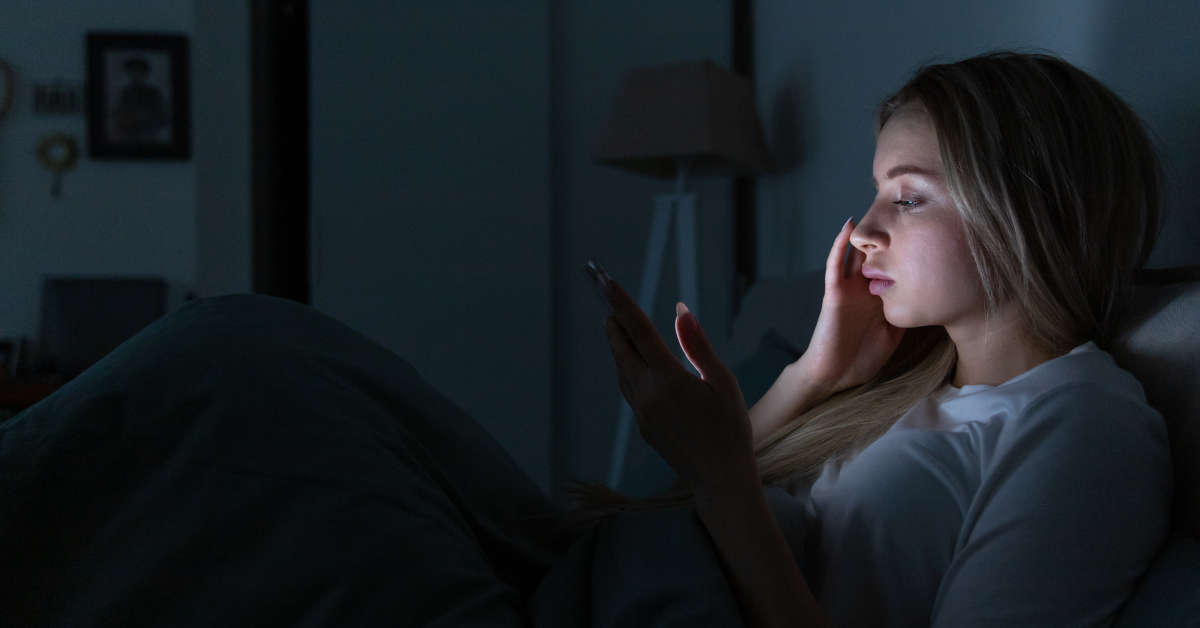
When we’re constantly tethered to screens, even small interactions—like the walk and coffee shop visit I described—are filtered through a digital lens. Our brains are rewired to expect constant stimulation, notifications, and instant feedback, which can make real-world experiences feel quieter, slower, or even empty in comparison.
This isn’t just anecdotal: research on digital media use shows that high screen time is linked with reduced attention span, increased stress, and difficulty staying present, especially in social situations (here).
The reality is that screens are not neutral—they are shaping how we think, feel, and connect, whether we notice it or not.
What About Our Kids?
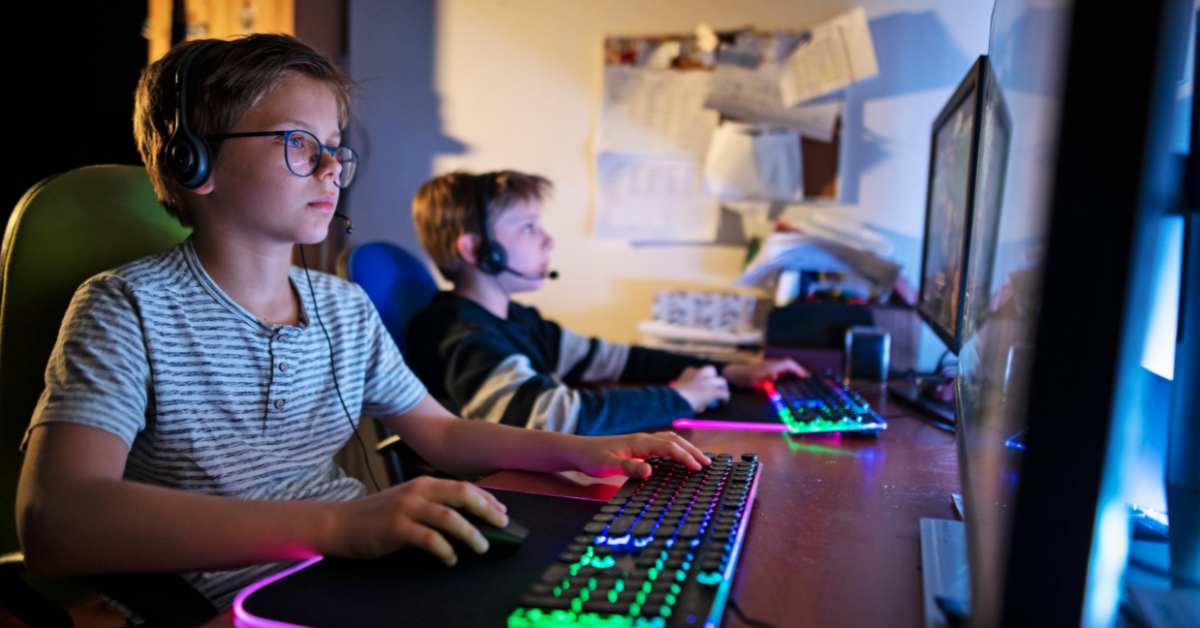
What does this mean for our kids? Children are growing up in a world where screens are not just tools—they’re constant companions (yes, that statement should worry you). When they spend hours each day on devices, their developing brains are shaped by it.
Research shows that it can make it harder for them to sustain attention, manage stress, and engage fully in real-world interactions.
Don’t Just Tell Them, Show Them
Clearly we need to set boundaries and limits to support their development. But beyond that, we need to SHOW them how to exist meaningfully in this high tech world—we have to model healthy screentime boundaries for them.
A 2025 systematic review (here) found that modifiable parenting factors — including parental modeling, self‑efficacy, and how parents mediate media use — significantly influence screen time in children under the age of five.
If you want them to put the device down and engage with the world, you have to do that too. If you want them to learn to get out of their comfort zones and do 3D, in person activities (dancing, bowling, hiking, whatever), model that for them.

First Thing In the Morning
Think about this in your daily life and routines too. What is the first thing you do when you wake up? Do you grab your phone by your bedside? Maybe it’s time to get a separate alarm clock.
My husband Bill sent this poem to our family group text today, which says it all:
Hello my loves,
Don’t forget to breathe.
What could be more simple
Or more clear?
When morning finds you,
Before succumbing to the glowing
Screen that injects
Its daily dose of misery and
degradation
Pause if you can
Breathe.
Just that.
Simply
Breathe.
Perhaps you’ll hear the birds.
Perhaps you will feel the insistent
beating of your heart.
Perhaps you’ll notice
how vast the world truly is
How it stretches far beyond
the feed’s narrow tunnel of fear.
There is Love here
In this eternal Moment
There is magic.
Beauty.
Hope.
Endless possibility.
Today’s doom
Is merely tomorrow’s discarded
thought.
And after you’ve watched your breath,
After you’ve listened to the small
song
of the unseen bird,
you will still have plenty of time
To meet the day’s demands.
But now,
You’ll bring a broader reality with
you.
For context is everything.
And if you live only
in the story sold to you
by the profit machine,
You will be endlessly poor.
So begin again.
Breathe.
Remember
You are eternally Free.
With much love,
Wayne
—Wayne Liquorman, author and teacher in the Advaita Fellowship
Wow.
This line stands out to me: “if you live only in the story sold to you by the profit machine, You will be endlessly poor.”
Let’s enrich our lives with things that are harder, but more fulfilling, like reaching out to friends and acquaintances to meet up in-person, taking that dance class, prioritizing being present and breathing with our feet touching the ground each morning.