
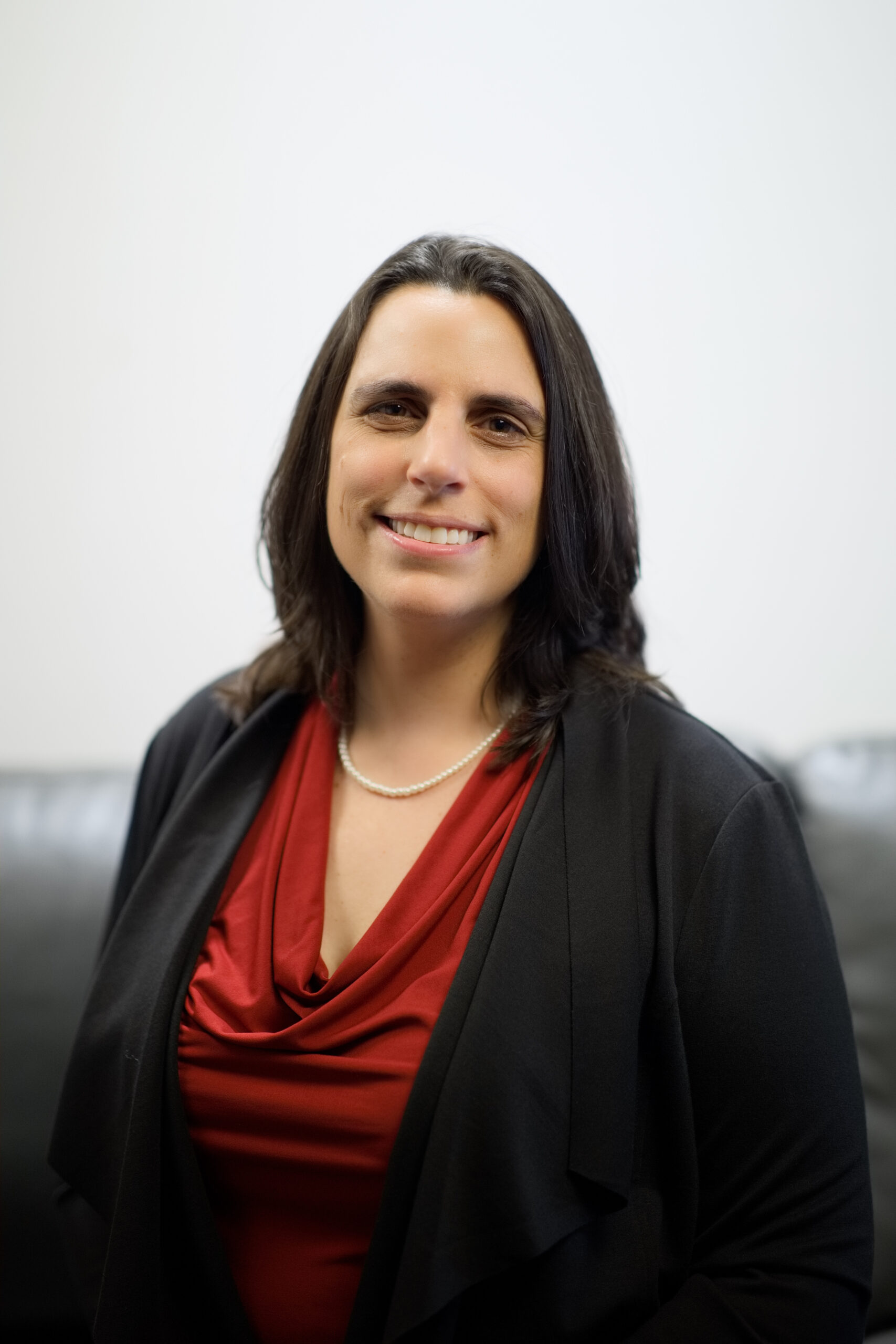
578: The Overstretched Caregiver
Hunter Clarke-Fields & Dr. Christopher Willard
Caring for kids, aging parents, and work—often all at once—can leave caregivers exhausted, overwhelmed, and silently burning out. In this episode of the Mindful Mama Podcast, Hunter Clarke-Fields and clinical psychologist Dr. Christopher Willard explore the unique emotional and nervous-system challenges of the sandwich generation.
You’ll learn why caregiver burnout isn’t a personal failure, how chronic stress impacts patience and joy, and what actually helps when life feels nonstop.
In This Episode:
Why the sandwich generation experiences chronic emotional overload
The biology behind caregiver burnout and constant stress
Why “work–life balance” doesn’t work—and what does
Simple mindfulness tools you can use in real life
How to set boundaries without guilt
Why repair matters more than perfection in caregiving relationships
This compassionate conversation offers relief, validation, and practical support for parents and caregivers stretched in every direction.
 Plus: Learn about The Mindful Middle, a short-term live group coaching experience designed to support caregivers in the thick of it.
  MMM/mindfulmiddle
Ep 578- MPI Live
Read the Transcript 🡮
*This is an auto-generated transcript*
.
Hunter (00:00):
You're listening to the Mindful Mama podcast, episode number 578. Today we're talking about the overstretched caregiver.
Welcome to the Mindful Mama Podcast. Here it's about becoming a less irritable, more joyful parent. At Mindful Mama, we know that you cannot give what you do not have. And when you have calm and peace within, then you can give it to your children. I'm your host, Hunter Clarke-Fields. I help smart, thoughtful parents stay calm so they can have strong, connected relationships with their children. I've been practicing mindfulness for over 25 years. I'm the creator of the Mindful Parenting Course and Teacher Training. I'm the author of the international bestseller, “Raising Good Humans”, “Raising Good Humans Every Day”, and the “Raising Good Humans Guided Journal”.
Hello, welcome to our first ever live recorded podcast. We have an audience today. It's so cool. And I'm here with Dr. Christopher Willard, a father, a clinical psychologist, author and consultant based in Massachusetts. He has spoken in 42 countries and has presented at two TEDx events. He's the author of 21 books, including “Alphabreaths”, “Growing Up Mindful”, “Feelings Are Like Farts”, “College Mental Health 101” and he teaches at Harvard Medical School. And Chris is here. We're here to have a conversation together as the co-founders of the Mindful Parenting Institute, which maybe we'll tell you a little more about later.
It's our new thing. And I'm so excited to be here with Hunter who I've known kind of on and off online and then hanging out in Abu Dhabi for a few days, getting to know each other better. And Hunter is the author of an unbelievable bestseller, “Raising Good Humans”,- which I saw how many copies you sold, you are such a rock star. The Mindful Mama Podcast, which is absolutely phenomenal. I've been on it. I've listened to it. Everyone should check it out. She is also a mostly mindful mama- no, always mindful mama- to her kiddos based in Delaware. And so we're just so excited to be here. Yeah, with all of you today. So thank you.
Hunter:
Yeah, Yeah, and we mentioned the Mindful Parenting Institute. So we're co-founders of the Mindful Parenting Institute and what we have started to bring the tools of mindfulness to more caregivers worldwide. We want to raise resilient, confident kids in all phases of the parenting journey. And we're going to be doing that through a couple of different initiatives. And just to let you know upfront for you guys who are here live, we'll be diving deeper into the subject of sort of the overstressed caregiver with more personal support in a coaching group that you'll have the opportunity to be a part of. And we're going to tell you about that at the end. So listen, who here in the audience is in the sandwich generation? Put a Y in the chat if you are. But yeah, this is why we're here. The idea is that if you are feeling like this is really hard. It's because it is. And I think Chris, you're feeling that more, You're feeling the sandwich more. I'm feeling pre-guilt about the sandwich because my parents are farther away. so many whys. my goodness.
Dr. Christopher Willard:
Yeah, absolutely. mean, these last five years since the pandemic, know, right? mean, my, my, you know, I had the day I had my, my son was supposed to be born. My sister called me and told me that she had cancer. then three years later, my mom got cancer and then the pandemic began and it was like having kids caring for my mom, you know, and these like horrible, horrible choices of like, do I take my mom to the doctor or do I take my son to swimming lessons? Like, you know, and just whole, stretched, squished, you know, this isn't the sandwich generation. This is like the bottom of the backpack wrapped in tin foil, totally smashed sandwich is kind of how it's felt between caring for my parents, caring for my kids, the state of the world, right? All of this. And then it's been kind of in different sorts of waves over time since then, right? You know, my mom, my mom did pass away. My dad's doing great these days, but it's like, there's always something. You're only as happy as your happiest kid, right? Or something like that. And then also like these other people in our lives who depend on us, whether it's our jobs, whether it's our parents, other relatives, our spouse who's maybe struggling, right? Friends that are going through it. And of course our kids. I mean, it is just squished in so many different ways. And I think too about when I was a kid, like I remember my mom was an only child. And so she really had it when her mom was sick and I remember feeling really abandoned, you know, in many ways and I'm fine. You know, my mom and I worked it worked through that, but it's, it's hard. Everyone is hard on everyone. It's hard on you. It's hard on kids. It's hard on parents. It's hard on everybody. It's just really, and there's no like right answer. I just want to say too, I think, you know, you were saying kind of pre pre guilt, but I just think normalizing that like we've all been through it, going through it, or we're going to be going through it at some point. And it's, and this was hard.
Hunter (05:50)
Yeah, I mean, I'm so sorry about your mom, Chris. That's got to be incredibly hard. I mean, it just, to me, it really goes back to like, I get so frustrated. Sometimes I feel like all these conversations I have on the podcast, so many of them, it's because of like, have these, we're set up in these ways that are so unsupportive for people to live. You know, if you lived- like if everybody on my street, it was like aunties and uncles and cousins all around me, like within walking distance of my house, like I'm sure that would be really, really annoying a lot of the time. But it's like, I feel like this pressure that we feel is extraordinary for humans to feel. Like it's not what life evolved to be as humans. Like for the 100, 200,000 years we were humans, I don't think that this is what people were feeling. So if it's feeling really, really hard, it doesn't, it's not like you should be doing it some better way and you would be okay. Was there something wrong with you? That makes it especially hard with you and it should be okay. Not like everybody else is doing it, it's fine for them. It's actually not fine for them. And there's all these, it's all these obvious things, but all this invisible stuff too. Like, God, if you think about all the logistics of life. And then if you think about what if you're a single parent? What if you're sharing custody? A special needs kid? I mean, I think about family coming into my office later and it's, know, dad has a chronic illness and the kids all have their own challenges. And it's like just even that stuff, you know, I mean, it's like so many different possibilities that can make it so much more challenging and so much more stressful for the caregiver. Yeah.
Yeah, yeah. So we're going to take a quick poll of our live audience. Who's caring for kids? Put a K for kids in the chat if you're caring for kids. Oh yeah, yeah. Lots. We're all here. Who's caring for parents? Put a P in the chat if you're caring for parents. Okay. Yeah. Lots of caring for parents too. Okay. We're seeing that. Yeah. And so, yeah, both. Put a B in the chat for both if you're doing both. B+ if you've also got an uncle that's moving right now like I do into assisted living and all of that too. Yeah, yeah, yeah. It's really, it's not, it's the pain, the difficulty of it. It's not a personal failure. It's just like, it's this structural reality, I think, that we're facing. Yeah. No wonder it runs tight- I think that's such a helpful reframe. It's not us. It is the way we don't live in villages and in tribes and in these kinship networks. are in this pretty individualistic society where you're supposed to either do it all yourself, which I think is especially a pressure on women, or that if it's not do it all yourself, it's like, just hire someone. But that's also so impersonal. It doesn't feel great either. It also leaves us with feelings of guilt. It is really not easy without easy answers.
Yeah. Yeah. Yeah. Okay. So we're going to talk about it. We're going to have some tools also at the end for people, some really practical tools, but let's Chris talk about what makes this uniquely hard. It's really about these opposing needs, Like the opposing, what we're talking about, what kids need and then what parents need. And they're really different. So different. mean, kids need like such a certain kind of presence and energy and attention, right? As well as all the logistics and stuff like that. But first to really be there for them and be smiling. And when you pick them up in the bus stop or whatever it might be.
Dr. Christopher Willard:
Yeah, Yeah, we want to show them the delight when they come in the room, but how can you do that when you're... Okay, sorry. You're so stressed. Seriously though, Hunter, mean, like that's it. It's like off the phone call, off the third phone call with like a parent caregiver. it's like, okay, put on my smile, let them, let's stop. Like, it's just like, that is so hard. then parent, parents, need, you know, that they need tremendous amounts of patience. Often they need repetition. Often they need advocacy. Often they also need, you know, logistics of rides if we're worried about their driving these days or if they're injured or if they're, you know, and like also someone to take notes at those doctor's appointments, you know, because when we're stressed, our brain shut down. It's so hard to listen to, you know, what are the options for moving? What are the options for my treatment? And, and I remember one of the heartbreaking things when my mom was so sick is like, she's old and all her doctors are old and they're all retiring. Like all of her caregivers were retiring and are getting sick, you know? And so it's like, just this, this loss on all these different levels and we're scrambling to build a new team. And so we're, we're pulled forward and backward. The, what's the saying about, you know, our, our, you know, course your parents press their buttons, they're the ones that installed them, but like the way that then we're trying to care for them while they're pressing our buttons. it's like, I mean, that thing of like, my mom had cancer, my sister said, know, well, you know, you get, you know, maybe like a liver transplant or whatever, but you don't get like a personality transplant when you're, when you're ill. It's like all those same beautiful things about someone and all of their kind of challenging, you know, kind of rough edges really come out. And so we're pulled in so many directions and the guilt in so many directions too. You get this guilt of like, I doing enough? mean, I guess I remember watching this with my parents. My parents taking care of my grandmother when I was a teenager and you know, they had her live in her house for a year and then they had her, they had set some boundaries and they, for their own sake, I guess, and they moved her into assisted living. And I was really sad about that, but I wasn't the one doing all the work. And so there's this guilt and sadness there, I think with every decision there's not like a great answer with any of the decisions. someone feels left out or let down or just confused, including us, right? It's like my kids confused about this change from living with us to moving out and they're sad about it. also, so am I, even though I'm also relieved that so many, like Daniel Tiger tells us we can have more than one feeling at once. And that's, that was so helpful to know when I was going through a lot of this.
Hunter (12:21)
Yeah. And then you feel distracted with your kids, right? And that's one thing, I mean, if you're listening to this podcast, we know like, that's the best thing we can give our kids, right? Is, I mean, that's kind of the definition of love is like attention. And here are two parties that you love so, so much pulling your attention, right? And attention is a finite resource. You know, we don't have this, right? Okay. So it's this emotional double blind. You're probably feeling distracted, feeling guilty about that feeling like we're not doing enough. And I imagine there's guilt in work too. Chris, I imagine when your mom was struggling, was going to appointments and you're distracted with your kids. bet you were like just not your most amazing self at work: compassion, fatigue, empathy, fatigue, all of that. And then different people in different situations, my sister and I in different financial situations, she not working with Gabe, which gave her lots of time to visit at every possible moment for six hours at a time. Me being very geographically close so I could visit my parents for 10 minutes a day. And both of us feeling like the other wasn't doing enough, when actually we were just doing different things, but feeling both guilty and resentful on the sibling side of it too, being incredibly challenging in these different ways too. that kind of impacting things in these different ways too. And then, yeah, as you were saying, mean, in this stuff about kind the invisible load, I don't know if you wanna kind of riff on that a little bit, but no one else quite knows that we're going through this. And there's even our partners or other people in our lives, like just how much we're holding emotionally in these different ways too.
Hunter (14:20)
Stay tuned for more Mindful Mama podcasts right after this break.
You're running from a logistical thing to thing and thing and the scheduling, remembering everything, you're worrying about thing, anticipating things that could go wrong as well. We have in our notes here a real helpful attitude, I think, for this. And I think this is so, so important and this idea of radical acceptance. Were you able to practice that when you were in this, this intensely difficult moment?
Dr. Christopher Willard:
I there were moments, there are absolutely moments of just that. A good friend of mine has a tattoo that just says, right now it's like this. And thinking about Jameson's tattoo and the kind of, know, Buddhist-y wisdom of that, like, yup, this is just what it is. This too shall pass, right? know, feelings are like forest, they'll eventually fade away, right? Just, you know, whatever kind of we want to say about it, but like trying to remember that there is this thing of impermanence and some radical acceptance around this is, this is about as hard as it, as it might be. And I'm surviving so far. am getting through it in one piece. My parents are getting through it. My own kids are getting through it. My wife is getting through it, you know, and that there also is, I think when there are rifts too in the, in the family and with siblings and other people, like remembering that like this, you know, in a sad way and in a kind of helpful way, like this is temporary. you know, things actually come back together sometimes when a crisis has passed or sometimes, you know, after a death or after, you know, all the work of getting someone into assisted living or, you know, something like that, we can kind of come back together with relief. And I think making room for that, that there may be conflict now, but we can keep our hearts open for reconnection in the future or just better connection in the future. And we keep it about logistics and not emotions or the other way around, depending on what we can do on those different days.
Hunter:
So the radical acceptance, think if we can access it, it can be so helpful. The Tara Brach, Pema Chodron, things fall apart kind of wisdom of radical acceptance. And what you're, what you're describing too is just remembering that, you know, you can always, always begin anew, right? Like there, you can always begin again, like whether it is at, you know, at a death or whether it is at a, okay, next time I see my sister, whether it's next time I see my mom, I can begin anew. Whenever it is, can, the next time I see my kid, can, you know, I can do a small act. Can put a hand in my heart, I can take a breath, can be compassionate to myself and then say, I am so happy to see you. And maybe that will bring some of that light in our eyes, just the words.
Dr. Christopher Willard:
Well, and living, I think, as you said, in those moments of like, okay, here's like, not just this too shall pass this really miserable kind of time, but also like this moment is beautiful. This moment of like just total connection with my kid or this moment when my mom is able to be a hundred percent present and not sort of like falling into dementia or my dad is able to like settle down and really remember how to all be supportive together, or the treatment team is all on the same page for whether it's your kids or your parents. And even if your parents aren't going through a crisis, I'm kind of describing a crisis, but just still taking those moments of like, wow, I had a really great walk with my kid. I think one thing that both youth and age teaches us is in some ways how to be in the moment and appreciate it. I think about times that, you know, like, okay, I'm going to put my phone away and just like follow my kid around and that'll be my mindfulness practice for the day. It's like 10 minutes of just walking around. Like one of the, you know, maybe three weeks before my mom passed, like she wanted to go outside and we took a walk and it was like early spring and it was, and I was just like, holy crap. you know, she was so appreciating the cherry blossoms starting on the trees and the warmth in the air and the sun and the breeze on her cheek.
And I was like, okay, I can be here for this and see the beauty that she's able to access in this really challenging time. And so can actually, we can allow it to them be this thing that brings us into the moment. And then the chaos ensues and she falls on the way back up the stairs into the house and like these things like that. But you know, there's still that, that treasured moment. And I don't forget that last walk I took with my mom. And I did actually forget until now that she fell coming in the stairs on the way in that day, but it's like, when we can kind of savor those moments and hold onto them, that also keeps us going to find those kind of green shoots of hope in some of the, whether it's dark times or just the chaos of it all too. I think it's so powerful to be able to do.
Hunter:
You're describing the story that we're telling too about this. Like at the end of that day, what is the story you tell about this day when you're squished in your panini? That was from our studio audience. like that. When you're panini. like, do you tell yourself about that day, right? Are you telling yourself a story? Can you look back and say, there was this lovely moment where mom touched my cheek or we saw the buds on the trees or am I saying to myself, it's all falling apart and she's falling down the stairs, right? Like it's it's a really interesting moment of modeling for our kids how to handle things when we're squeezed. And I think it's really important to remember too that this isn't, we're not just talking about mindsets here. Mindsets are important, but it's not just mindsets. This is our biology. This is our nervous system. This is the reality of our nervous system. So, know, if you're a sandwich generation caregiver, you're living with your nervous system in this low grade threat. Yeah. And you know, some people have heard me talk about like sort of how to stop yelling. And one of the things I say is like, the best way to stop yelling is to reduce your overall stress in your life. And yeah, it's like, great. That's an easier said than done. But like when the, you have to have the phone always on, right? You're always waiting for the call. You're never, never fully off duty. so this chronic caregiving is really directly leading to chronic stress hormones. So, um, you know, we have notes in here about how it can really lead to high rates of things like depression with Alzheimer's. mean, it's real.
Dr. Christopher Willard:
I think it's like the number one risk factor for depression is caring for someone with Alzheimer's, you know, which, is, my mom had dementia in addition to her. It was a rough few years, Hunter. I'll tell you my friend's house burned down in the middle of this too. you know, probably actually related to my mom's dementia tragically, but, again, right. That, but that, I mean, like, you know, the depression that, that sets in when you're caring, when you're the primary caregiver of someone with dementia, and you're stuck in the house. My dad, even after my mom died, talked about how long it was before he felt like he could even leave their, their, their apartment. Cause he was like, I still feel like I need to be around. Like, I still feel like I can't even run out and go get, you know, like a gallon of milk for the coffee. Cause it's like, you know, forgetting like, what if something happens while I run out and you know, all of that, that kind of our nervous system takes a while to reset. But certainly when we're in that's PTSD, obviously, but it's like when we're in it, right. It's like, and our brain shuts down, like our patience isn't there for our kids. Cause it was all day with our parents, our decision making capacity is shot because it was like, which of these 50 doctors or medications should I take for my parents? And which of these 50 therapists should I pick for my own kid? And which is right, our memory, we forget things, right? You know, people fall back into old patterns of, you know, kind of drinking or distractions or things like that, just to kind of shut off, right? The feelings of joy start to like, they're dulled, they're muted. And then if we feel good,
Like we start to feel guilty. It's like, I shouldn't be enjoying this movie. I shouldn't be enjoying actually having a night out with my, with my partner. I should actually be back home checking on the kids or I should be actually, you know, calling, you know, the, you know, help for my parents or something. It's, it's, it's awful. Like, and it's, it's, but it doesn't have to be, you know, entirely, you know, I think I'll just sort of remind people they're not alone in this too. Um, this is something I think I'm being so dark here. It's like, you're not alone. You're not alone. But yeah, a lot of people are going through this.
Hunter:
Yeah. Yeah, no, mean, yeah, if you're feeling really snappy at your kids, you know, we've talked about that a lot, a lot about caregiving and parent and the effect on a kid, then you're feeling snappy or feeling guilty and the empathy, right? Like if I'm set, they're saying, Hunter said to practice some reflective listening. And you're like, wait a second. I ain't got it. Right. Right. It's not there. don't have the empathy, right? But it's, that's what your nervous system is doing. It's, it's kind of keeping you ready to respond to a threat and that's not your fault. And, you're not alone. then, then with all of this, like though, to get a little darker, we have work that we think we're going to have balance. And I think we just got to say it like balance at times like this, balance is a myth. Balance is a myth. You may not be able to, you know, you're probably not going to be able to be perfectly balanced. It's about, can you be balanced enough?
Dr. Christopher Willard (25:05)
Well, I love that balanced enough and then radical acceptance around this is going to be a time that's unbalanced, which actually then gives us tremendous practice for just like the acceptance that life is always out of our, it's always unmanageable. It's always out of our control. two, right? When we, it's like, this is the, you know, this is where we're in the, in the deep training for it. And yeah, but it's, it's like, it may never be, you know, even though it can kind of come and go in waves. I think it's not so predictable. I think it might be very reassuring to listen.
Hunter:
You guys can tell us in the studio, but if you feel like, it's very reassuring to hear that it's really hard for everybody. Sometimes when I hear a podcast with like, my friends send me like life optimizers who are like talking about the amazing things they do before like 5 a.m. I'm just like, oh God, I'm terrible person. What's wrong with me? Why can't I do all those things before 5 a.m.? But yeah, I think it's actually really reassuring to talk to you, Chris, and be like, okay, he's written 21 books and he's feeling overwhelmed and it's really hard. Yeah. Let us know in chat. So let's talk about some actual practical tools that can help. So we have some ideas of things that can help. So Chris, do you want to talk about this first one? That idea of shrinking the day.
Dr. Christopher Willard (26:41)
Absolutely. think it's like, mean, thinking, remember when I first had a kid, was like, went to my meditation teacher. was like, how am going to, you know, like meditate? she's like, forget meditation. Like, don't worry about it. Like don't bother even trying. You can't parent from your meditation cushions. So just like, forget it. If you can get it in great, but don't like sweat it so much. But it's this like, I can remember which sort of Tibetan master said, you know, you know, uh, small moments many times or something like that.
It is finding like our stress goes up and up and up over the day. Okay. Let's take a few breaths, hit that reset button, you know, so it's not sort of like rise in, you know, sort of just keeps rising. How do we disrupt it? When and where do we disrupt it? The story I've been telling a lot recently is about, this guy I've worked on enough with in therapy for many years. really kind of high pressure, high power dad and a kid with some pretty significant developmental issues will always be institutionalized. And we worked a lot around radical acceptance at first and he's a little bit an older dad. So he has some of his own parent caregiving stuff going on. And then we finished therapy after a couple of years before he came back. But I was like, what was the most helpful thing we did? And he was like, you know, Chris, like in these last three years, like the most helpful thing was you told me to like go to work. He has a super high power job at a startup and like, you know, drive 90 miles an hour home in my, you know, Audi and blast the music and then like pull into my driveway and just like stop in my driveway and lean back. And before I go into the house, just three breaths breathing in. I know that I'm breathing in and breathing out. I know that I'm breathing out kind of taking that Han style and to connect with the moment and then walk into the house. And when I walk into the house, like he was like, Chris, I'm not bringing calm necessarily, but at least I'm not bringing all the chaos and the crap of my work day into the home where my wife is burned out and the nanny is like halfway out the door and the kids screaming. like just that little tweak, I think can really make a difference. And I feel like for those of us who are parents, like we do not often have certainly time to go on a retreat, certainly time to go even to the meditation center for an hour, right? We really do not have it. And then we are caring for our own parents. It's finding those little, little moments , those little micro moments. Um, I think that are going to be where we can hit something of the reset button. I was actually saying to a client this morning who was talking about panic, I was like, look, I also just want to be, be honest. Like nothing is a magic bullet. It's like, you know, when you're waiting for the elevator, you know, taking three breaths, like that all. Ratched it down 10 or 15%. You know, sit down at your desk, know, fill your butt and your back against the chair. Notice, you know, is the chair, you know, soft? it hard? it warm or cool? Like, you know, doing that, that'll ratchet it down another 10%. Nothing will get rid of the stress, but all of these things help us to manage that stress or, or, or kind of just, you know, reset. So we're not carrying that last stuff from the transition, whether it was the traffic or the workday or the screaming kids or they don't want to get my jacket on or the call from the parent or the caregiver or something like that. So it's finding those moments. you kind of thought, brainstorm some of these too, Hunter.
Hunter:
I love, yeah, I mean, I think we wanna think about the idea of like, can help me 5%, right? Like what can help me 5 %? My daughter has a chronic pain issue. And so we think about that a lot. what could help? And I ask her that, like, what do you think, what could help you 5 %? And I think that's such a great way to think about it. Like, yes, when you get off the phone with the automated whatever, hospital line, school line, the whatever's office. Just take a moment and take those three deep breaths. One of the ways I think to invite some mindfulness practice into your life is to invite people to like, when you get up in the morning, if you have a minute, just sit on the edge of your bed and take 10 deep breaths, right? Instead of like considering some kind of formal mindfulness practice, make that like, I'm gonna start my day. one of the, I love the, one of my favorite things to share is a little Gatha, a little poem from the Thich Nhat Hanh community. And it rhymes, so it helps to remember it. But as you breathe in, you think breathing in calm, breathing out peace. Breathing in, smile. Breathing out, release.
And I think the teachers and Master Thich Nhat Hanh has said that this practice, calm, peace, smile, release is a practice of freedom. And that's true. Like you can give yourself maybe 5 % more freedom to just be and to rest, to give you some capacity before the next thing. And then also we want to just take these little, little micro moments to be kind to ourselves. Like, that was hard. that, you know, this is a hard time. And I keep putting my hand to my heart as I say that, right? And I think that helps a lot, like to just take these moments to, instead of adding to the guilt, just say this. Remember all the things we said at the beginning of this podcast and that you're not alone and just acknowledge that it's hard.
Dr. Christopher Willard (32:43)
Well, that self validation I feel like is so important because I mean, parents may or may not have validated us in the past, but they're probably not right now, right? At that point in our lives and, and, and valid, and it reminds us to validate everyone around us of their suffering. but we forget to validate ourselves. And it's just, just as we sort of, you know, the kind of how to talk. So kids will listen, listen, so kids will talk, like name the feeling underneath it. Right. And we know that that actually shuts down the amygdala, the limbic response. Like when we name it, we really do tame it self-compassion, Kristin Neff, Chris Germer, it's all about that too, like re-parenting ourselves, giving ourselves that validation. And I think about this client that was like, you know, sort of like, like, this is a moment of suffering. And he was like, no, no, no, no, no. Like you should have, you know, like over Thanksgiving, I was like, this is a moment of absolute insanity. this is like, use the language you need to use. so if you need to censor that on the non-live broadcast, but like, seriously, you gotta be, can't. You got to use the language that works for you. Like you really have to be authentic.
Hunter:
Actually, I use an affirmations app and I use it in the morning off in the toilet instead of like looking at social media. This is all being revealed now. But anyway, I my affirmations app. But recently they introduced swear words into their affirmations. I was like, wow, this is amazing. But yes, we're supposed to be expletive free. Okay. But yeah, you can take these moments kind of throughout the day. Like think about those times in the day. Like first thing in morning, try sit on the edge of the bed. Maybe while your kids are getting ready or packing lunches, you can try, you know, one of the things I talk about is like just longer exhales. It's just proven to, to regulate, you know, just think about your shoulders dropping or just consciously drop your shoulders, right? Yeah. Think about, you know, taking moments like micro moments to connect with your kids, touch their shoulder, look them in the eye, kiss the forehead and say, I appreciate you or whatever it is, right? Right.
And thank, thanking people, thanking your spouse if they're showing up and kind of picking up some of the other slack for us. and I think, yeah, that, that self validation and these, these little moments, you know, little moments of gratitude. mean, all of it, I feel like does start to add up over time, just like, yeah, you probably can't eat your meal mindfully, but can you like enjoy the first three bites a little bit more mindfully? or something like that. You know, mentioned take that Han, we both are so in love with his tradition and his path. the other one I really love for walking practice and for doing it on retreats with him, but as with each footstep, I have arrived, I am home in the here and in the now, or another kind of walking gotha is, nowhere to go, nothing to do, no one to be like with each footstep and how that can also, again, just ground us a little bit, feeling our feet on the earth that is holding us in this moment. We're still doing something, we're walking, we need to be moving, but how to also bring a little bit more awareness into it too.
Hunter (36:14)
Stay tuned for more Mindful Mama podcasts right after this break.
Yeah. I mean, you can do these moments like thinking ahead in your day. Like when you really get a break where you have to get a break, you go to the bathroom, right? So back in the bathroom, just wash your hands and like take a moment to sigh it out. Feel the water on your hands, know, remind yourself I'm doing the best that I can, you know, with what I have, right? you know, I can't do everything, but I can do this moment. Reminders like that. are so, so helpful. Yeah. Yeah. And, you know, it's also helpful to think about setting your intention of how you want to be like, I can't do everything, but I can do this moment and just getting that intention of connection over perfection, right? Can I allow myself to be imperfect? Give myself permission to be human, but let myself connect over being perfect.
Dr. Christipher Willard:
Yeah, and that progress, not perfection at the end of the day, as you opened with, like being the good enough parent, but also the good enough caregiver to our own parents or whoever else is suffering in our lives at these times. It's like, I just have to show up and be present. And that's it. You don't have to be perfect, but it's so hard to let go of that, especially when it is people that we love so much or we feel so attached to it, but if we're not always sure how we feel about them at certain times, but it is still, or it feels like it's so strong. it is so hard to let go of the perfectionism around it too, I think. Yeah, this is a real important piece about moving through this time is letting go of this perfect kid, perfect parent idea that you are not, absolutely not gonna be endlessly patient. You're not gonna be endlessly available. You're not gonna be emotionally perfect, right? So can you be good enough?
Hunter (39:03)
Yeah, we have to kind of start to wrap up our conversation about this, but we have so much here. And one of the things that we were thinking about is the idea of like, you know, those practices to get us through. How do we create boundaries? How do we delegate? mean, we have scripts for people to, because we burn out from caregiving, but if we can set clear expectations, we can really, that is like a radical act of self care, right? Like to say, here's one of our scripts, right? This is what I can realistically do. That is so, so, so powerful. And we'll be diving into sort of more of these boundaries further with our coaching support, but yeah, how can we set the clear expectations that our people need? My daughter asked me to, she's going to be going through this intense time where she's doing a lot of things. she said, can you, if you really, really cared for me, my goodness, she said to me, if you really, really cared for me, I would think you'd want to just drive me to school on those mornings too- she goes to our local public school and there's a bus that gets her at the end of our street. And I said, I cannot do this. I'm sorry, I'm setting a boundary around this. I'm going to be picking you up and doing a lot more things later. And no, I cannot do this. I said, that's one way you can think about it. But I'm going to offer you an alternative version that's more realistic.
Dr. Christopher Willard:
Well, it's been so fun, I think, for us to think a little bit about what it is we're offering in this course and putting together this coaching kind of course thing. Because it's like, I'm learning how to set better boundaries and I'm learning how to say what I really need as we put these scripts together and things like that. I'm learning about not just negative boundaries of I can't do this, but positive boundaries of, I can do this. Here's where I can be helpful and here's where I'm not so helpful. Or, you know, kind of like just saying, I need a little bit of more time to reflect on that. And I think also figuring out like where Buddhism talks about right energy, which my friend actually, once he was a monk and he said, it's not about having a lot of energy. It's about using your energy wisely. It's like, don't push the accelerator when you're going downhill. Like let the energy carry you. Where is your energy best spent? Right. Is it best spent on? You know, me being recently asked, can I pack up my uncle's house? Like, no, I have work to do and I, my work, will pay for movers like and go to work like, or something like that. Or I will help like, you know, get connections with, you know, social services agency near where he is because that is what my energy is best for, or what am I good at? Right. As opposed to like, we end up wasting our energy on battles that we can't win, whether it's with our kids or with our parents or whoever else we're caring about it. How do we strategically use the energy that we have so that we're actually maximizing in some ways? That's not some like optimizing hack, but just trying to be really reflective about that.
Hunter:
Exactly. Right. Or with our, you know, or like, you know, with my wife's parents sort of like, okay, you know, here's, here's what we can help with is like rides, but like, we're not going to clean your house. Like, you know, we'll, we'll help you find a cleaner. Right. That kind of thing I think can be, can be helpful to figure out for ourselves too. And it's been fun to kind of play with that as we start to plan this coaching coaching thing too. Okay, so we want to just remember, right? Yeah, these sandwich years are exhausting. You're witnessing so much. You're witnessing childhood, you're witnessing aging, you're witnessing impermanence, and this is a difficult time. You're not failing if you're carrying so much and you're feeling it all, right? Yeah. small changes can matter a lot more than big intentions. These small stacking, these 5 % changes can do a lot. Yeah. We have a couple of questions. I think this question came in: Karen says, I've done a lot of DBT work, but I struggle with some things. How do you deal with, I'm doing the best I can, but in the back of my mind, I can hear myself say by not pushing harder, I'm not really doing my best, even though I'm doing everything I realistically can. Thanks for your help. if you're, yeah, so if I'm doing everything I can, but I'm not burned out, am I really doing everything I can? I know that feeling, Karen. I've had that. before I thought, am I really like kind of selfish for actually preserving some of my hard-won energy to be able to face the next day? I've really felt that. And I don't know. I feel like these are places where we wanna look at, okay, I'm having the thought that I'm being selfish or I'm having the thought that, and that is that sort of, I'm having the thought that maybe I'm not doing all I can. And I guess I would work with, I would question those thoughts and kind of check in with yourself, but I do really think that it's okay and smart and helpful and a wise choice to reserve your energy in these times. What do you think, Chris?
Dr. Christopher Willard:
Absolutely. I think, yeah, Ken's also reminding us forgiveness, self therapy. think DPT has so much wisdom around radical acceptance, as well. There's always so much easier said than done. It's like acceptance. Okay. Like I'm, I'm, I'm, I'm letting go. Okay. I'm letting go, but it's like stuck to me. Like, how do I do that? And, and I love also, you know, there's letting go. And there's also, is it Joseph Goldstein or Jack Kornfeld? One of them said, you know, if you can't let go, just let be like, just try not to pick that scab for yourself of I should be doing more.
And even just naming those, sort of like the CBT kind of behavioral therapy of like you're shooting all over yourself, but like, hopefully you don't have to censor that. like, but that idea of, know, like being aware of how many times a day do you say I should, right? And just be just a little mindfulness practice without judging yourself, right? For saying it too much, right? But that we do that. And also getting a trusting reality check from people around you, not the people you're caring for, but maybe the people you are caring with. know, parents, caregivers, sandwiched people, maybe your partner, co-parent, other folks, professionals also of like, is this enough, right? But people you trust, you have to trust them. You can't just get those platitudes. We all know those roll off, right? Just like giving ourselves platitudes that we don't believe just rolls off. feel worse.But I think, yeah, yeah, so that's some of it. Yeah, I feel you on that though, that's real.
Hunter:
I feel it too. It's hard, but we don't want to be so exhausted that we can't be there the next day, right? This is probably a little bit more of a marathon than a sprint, I'm sure for you, Karen, than anything. So, mean, this is why we circled back, right? Like if we had lived in our little village, Chris, you should just move down the street. Karen, we got a house for sale. Yeah, yeah, yeah, everyone come to Arden. But yeah, the support is a necessity in a time like this. I think of the sandwich generation time, and you may be sandwich generation with like, there's all kinds of different versions of this, But like, it's like the intensity of when you have little kids, one of the things I tell people who have little little kids is like, this is a finite time in your life that will- when it is this intense, right? So get the support you need or get it now, use the resources now to support yourself if you can. yeah, this is one of the things that we wanna think about. in this time, if this is one of those super intense seasons, this is not gonna be in balance. Yeah, you don't need to be doing it better, working harder, right? Yeah, more kindness, more kindness for yourself. yeah, I don't know. We're going to wrap up our discussion. got to end the podcast, Chris. Anything else we want to say about that?
Dr. Christopher Willard:
I just, I think, yeah, and surrounding ourselves with people that love us and are taking care of us too, you when we can, I think is also just so important. But I'm just like, yeah, I mean, I'm struck by community and even just how, how helpful this conversation has been to me has been very cathartic for me, Hunter. thank you for letting me share some of this vulnerability. This is going on in the background when we first met. But yeah, and I'm looking forward to continuing our conversations too. So yeah, this is, this has been a great opening.
Hunter:
Thank you, thank you, audience. Yeah, so if you're listening, you're thinking this helped, but I'm gonna forget it. The second life gets loud again. That completely makes sense to us. Yeah. I mean, most people don't struggle because they don't, you know, don't struggle because they don't understand mindfulness, right? They struggle because they're trying to practice alone and you're in this place where everything kind of keeps asking for more. So Chris and I created a little group of support. Do you want to tell them about it?
Dr. Christopher Willard:
Three weeks just to kind of give us all a little bit of a space to talk about some of these issues and share some of that so that can also then like ripple out for all of us to then, you know, with people we're caring for, but also with our friends and stuff like that to kind of build some wisdom as a group together, you know, beyond just here's one hour, but let's get together in some small groups. Yeah.
Hunter (49:35)
Yeah, so we created a small group coaching offering that you are invited to be a part of. It's called the Mindful Middle three-week live group coaching with both of us together. And we're going to slow down the conversation. We're going to actually practice together. We're going to work on things like single tasking, listening to yourself, managing the guilt with self-compassion. There'll be real-time support, space for questions and guidance that kind of meets you where you are. Basically having that support to be in the middle of it all. But like when you're in the middle of it all.
Dr. Christopher Willard:
I mean, to me, know Hunter, today felt a little bit like a bit of an exhale. I feel a little bit softer. Kind of after just kind of discussing this and even just brainstorming together, I feel like I'm walking away with more ideas for caring for myself and everybody in my life. know, things didn't, the situation is still out there, but just knowing I'm not alone with the other listeners has been helpful. So I'm looking forward to keeping this going. Yeah, those Ks and Ps in the chat.
Hunter:
So if you're interested, it's at MindfulMamaMentor.com/middle. And for you guys who are listening way in the future to this podcast, sorry, it's probably already past. But if you're listening in real time in 2026, in January, February, 2026, it'll come out February 3rd, this issue, this episode. Maybe it's for you and it's a small group. It's at MindfulMamaMentor.com/middle. That's a lot of Ms.
But I think this is what we wanted to start to offer as like one of the first things we're doing for the Mindful Parenting Institute is Chris and I are doing a lot of speaking. We're doing a lot of workshops to larger groups. We're doing programs for schools and for offices, but we also wanna just connect with people and kind of create that support that really helps us to stay whole when we're really feeling squeezed in these times. So we're going to do it for three weeks. Join us for three weeks. Awesome.
Dr. Christopher Willard:
Yeah. I'm super psyched. Yeah. Yeah. I think this is, it's, it's, it's not a luxury. There's no like videos to feel guilty about being behind on. It's just like, we're going to hang out. Like it'll be great. Yeah.
Hunter:
We're going to hang out. yeah, I think for this podcast, I'm not going to do an outro separately. So I guess I'll just do my outro. You probably never listen. Most people don't, 75% of people don't listen to the outro, but thank you for listening to the Mindful Mama podcast. I really appreciate it. And I'm glad you're here and thank you to our sound editor, Alex and Odina who is producing today and everyone on the team. And thank you for the live studio audience. This is so cool. Awesome. It's fun. And if you guys like the live audience, let us know. We're going to be back to talk about some other mindful parenting things in a couple months, right? Two months, something like that.
Dr. Christopher Willard (52:57)
Absolutely. think we've got a bi-monthly live topic based kinds of things. I'm so excited that we're doing this together, Hunter. This is so fun getting to know you these past couple of years. And thank you to the audience and please take good care of yourselves. That is number one. mean, hopefully we got that through, but we're in the trenches with you. So thank you for being here.
Hunter:
Yeah, yeah. Thank you. Thank you so much for listening. I guess I always end with thank you so much for listening. Namaste. Namaste. The light in me bows. It's like a former yoga teacher in me. It still comes out. But I think it's such a nice saying. Although it might be cultural appropriation too. But I still like it.
Dr. Christopher Willard:
Exactly. Namaste. Namago. I gotta go. got a client. So this is my dad joke.
Hunter:
Our my god, that's pretty bad Okay, everyone in the studio on says thank bye. Okay. Awesome. Thank you so much everyone. Bye. Bye
Dr. Christopher Willard (53:51)
Bye everybody, thank you.
Support the Podcast
- Leave a review on Apple Podcasts: your kind feedback tells Apple Podcasts that this is a show worth sharing.
- Share an episode on social media: be sure to tag me so I can share it (@mindfulmamamentor).