
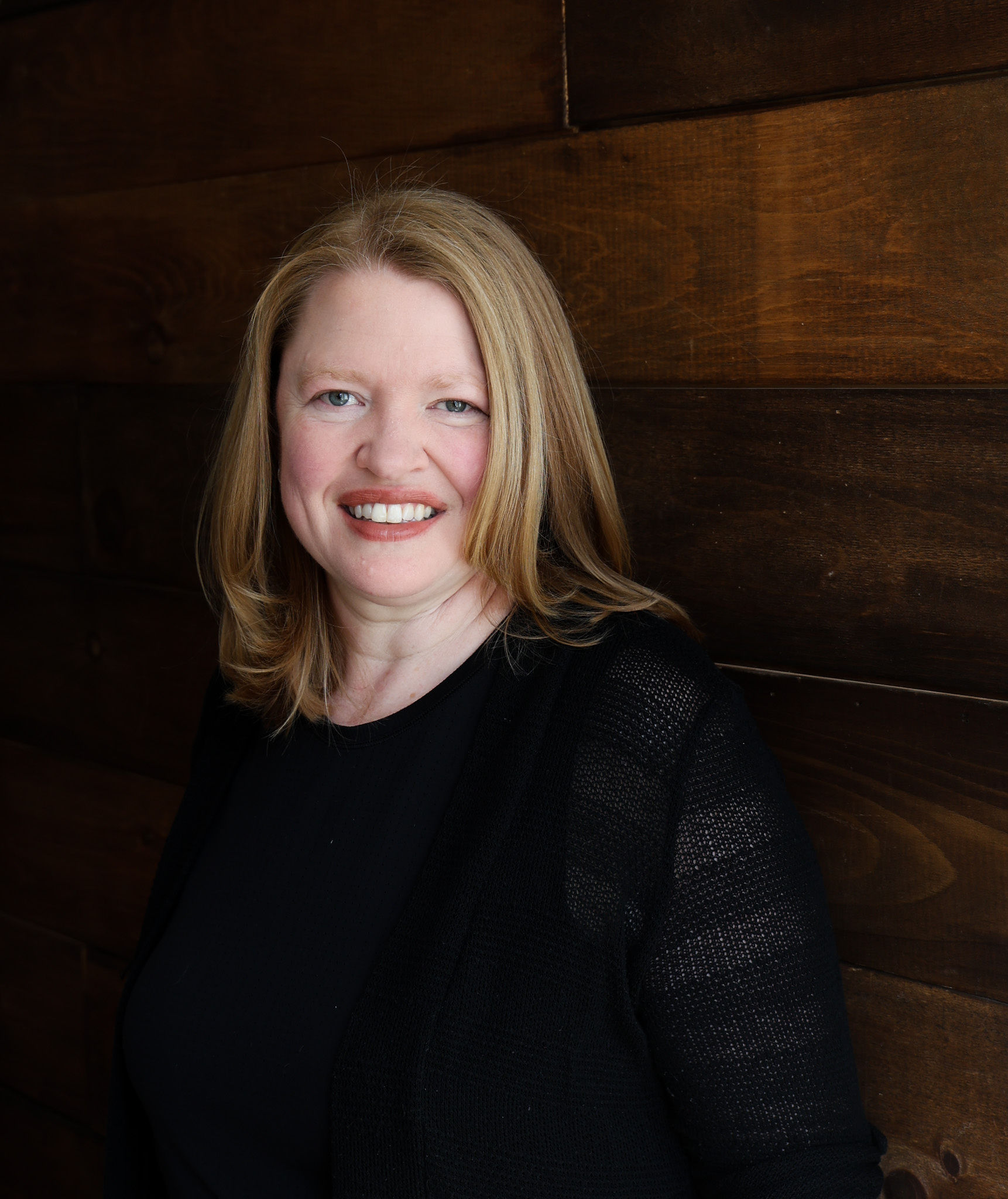
Deborah Farmer Kris is a child development expert, PBS KIDS advisor, and author of "Raising Awe-Seekers: How the Science of Wonder Helps Our Kids Thrive."
556: Are Your Kids Awe Deprived?
Deborah Farmer Kris
In this episode of the Mindful Mama Podcast, Hunter talks with Deborah Farmer Kris about how cultivating awe supports children’s emotional well-being. They explore simple, practical ways to bring awe into daily life, helping families slow down, be present, and nurture deeper connections.
You’ll learn:
Why kids today often miss out on awe
How less time in nature and community affects emotional growth
Easy ways to add awe through play, downtime, and family connection
Simple steps you can use right away to deepen bonds
Ep 556- Deborah Farmer Kris
Read the Transcript 🡮
*This is an auto-generated transcript*
Hunter (00:04)
You're listening to the Mindful Mama Podcast #556. Today we're talking about “Are your kids awe deprived?” with Deborah Farmer Kris
Welcome to the Mindful Mama Podcast. Here it's about becoming a less irritable, more joyful parent. At Mindful Mama, we know that you cannot give what you do not have. And when you have calm and peace within, then you can give it to your children. I'm your host, Hunter Clarke-Fields. I help smart, thoughtful parents stay calm so they can have strong, connected relationships with their children. I've been practicing mindfulness for over 25 years. I'm the creator of the Mindful Parenting Course and Teacher Training. I'm the author of the international bestseller, “Raising Good Humans”, “Raising Good Humans Every Day”, and the “Raising Good Humans Guided Journal”.
Hey, welcome back to the podcast. So glad you are here. I have the great honor today to talk to Deborah Farmer Kris, a child development expert, PBS Kids Advisor and author of “Raising Awe-Seekers, How the Science of Wonder Helps Our Kids Thrive”. There's so much good stuff here. I know this conversation is gonna truly lift you up. So join me at the table as I talk to Deborah Kris.
Well, Debrorah, thank you so much for coming on the Mindful Mama podcast. I'm so glad you're here. I think I agree with this, but this is something that you write. You write that kids today are awe-deprived. So why is that? And what impact does this have on their emotional well-being and development?
Deborah Farmer Kris:
That is something that the lead of researcher, Dr. Keltner, who studied this emotion for 20 years, that's actually a direct quote from him that I agree with as well. And I think it goes back to the sources of awe. And so in my book, I detail kind of these seven primary things that kind of elicit awe. And you think about nature and this generation generally is spending less time in nature than previous ones- art and music. And again, you know, those are often the first things cut from public schools when there are budget cuts. and then there's this idea of being in community, this collective effervescence, this ability to be part of a group engaged in something good together.
And the pandemic took a real toll, on that during the pandemic, I think, especially our preteens and teens who so crave that sense of community. I just feel like we haven't fully rebounded in terms of being able to be in community again, even in the little things like us taking our kids to the farmer's markets or the grocery store, which we got in the habit of shopping online. And then one of my favorite, most hopeful pieces is that the goodness of other people, this just sense of kindness, that's one of the primary sources of awe. And I feel like, especially our pre-teens and teens are so saturated with social media news stories that show the opposite, that show the worst of humans, that show a really kind of damning portrait of who we are. And I think all of these combine to lead toward just not quite as much vibrancy when it comes to those small everyday moments that just bring that spark of goosebumps and wide eyes and that sense of this world might be messy, but it's really, really beautiful. And so I think as parents being just a little more intentional about seeking it out ourselves can help us seek it out for our kids who I do think are more and more awed and deprived.
Hunter:
Yeah, I would think it would go back further than the pandemic. Really, a lot of the things, I mean, we've been on trajectory, but especially with smartphones and things like that, just the idea of sort of eroding away all of the extra time, right? Like you're not gonna get a feeling of awe if you're just constantly distracted. Like you have to be in kind of a quiet present space, which is, I think, for kids, a natural state for kids if they're left to their own devices and have enough time and space and a lack of distraction to do that.
Deborah Farmer Kris:
Yeah, because, know, does require slowing down and paying attention. Many of the sources of awe are deeply sensory, right? It's the sounds, it's the sights, it's going on that walk without the earphones in and hearing that bird call. It's being in the stands, watching our kids and being fully present. And, you know, in a very attention-divided world. That's just harder, right? It's harder for us as parents, it's harder for our kids, because sometimes there are these sources of awe that are there and we just don't notice them, right? The other day we were driving home and there was this gorgeous sunset and so I was like told my kids to look up because sometimes it just requires looking up. And my daughter said, quite movingly, she said, I wonder how many of the world's leaders right now take time just to look at sunsets. And I just thought that was a really kind of beautiful framing of some of the struggles we're having in this world, right? Like if we spent a little more time looking up and noticing and feeling that sense of wonder, which we can talk about later, has a good positive outcomes for ourselves and our kids, you know, what would that do for us? Now, what would it do for this generation, which we keep, you know, harping on how anxious they are?
And, you know, teenagers get a bad rap right now, I don't think always deservedly. And I just wonder what small tweaks we could make just to reengage with what's most fundamental and beautiful. I can imagine a parent listening to this and saying like, yeah, that sounds really nice. Like, that sounds lovely to look at sunsets and things like that. But to say kids, you know, but, but to say kids are all deprived, like what, what is that impact that it has on kids? Like, is there a measurable impact that it has on kids for kids who are, you know, they're doing travel soccer and they're eating dinner in the car and they're, you know, they're on their phone texting and they're missing those sunsets. Like, is it really a problem for them? You know, the research doesn't really look at like, hey, let's break these kids into two groups and keep some away from it. But what it does do is, you know, there's just this really robust research about this emotion that does show the positive outcomes. And I think that's the thing to focus on. And I often give talks to like middle and high schoolers, right, and assemblies, and kids really resonate with this topic. Like, I think at their core, they want more of this in their lives.
And I think it helps for kids to actually understand why it's good for them. So just on some broad levels, we know that experiencing this feeling of awe and wonder, and again, like, you know, think about when your eyes grow wide or you gasp because something is just wow. We know that it leads to better mental health and wellness, including reduction in symptoms of anxiety, biomarkers of stress and inflammation. They've done this on three-year-olds before and after music classes. They've done this on 80 year olds before and after taking awe walks where you just go out and notice something beautiful. They've done this with kids who have experienced a lot of community violence who then go into nature and they find that it literally reduces the biomarkers of stress and inflammation. It also very much helps kids academically. There's just robust research that shows that when you experience wonder, it enhances your curiosity, right? You want to know why. And then you're authentically motivated to learn.
And so, and I was a teacher for 20 years. And so I love this idea that if you can tap into what makes a kid light up, it actually primes them for learning. And one of the pieces of research I loved is they found that if you can tap into that about something they care about, like let's say you do a little science experiment and they're like, wow. You can do then something 20 minutes later that's not as exciting that they're not interested in, but they still learn it more quickly because you've primed their brain for learning. And so it gets me thinking about all those kids who aren't as engaged and how can we take their fascinations and interests and you kind of use that and channel that. And I think that's a really exciting idea for parents and for educators. And there's also this great research that helps us be more connected as a community. It helps us be more connected to other people. It helps us be more kind and generous. And the researchers kind of wonder why, because all emotions have functions, They all have evolutionary purposes. We feel disgust so we don't eat the rotten chicken. We feel anger because there's a sense of injustice. We feel fear to act us so we can run away from the moving train or the tiger. So the question is, why have we evolved to feel awe?
And one of the thoughts is it does help as a bit of a community binding because awe is often found in community, right? It's when, you know, you have everybody outside looking at the eclipse and you just feel that sense of connection to a neighbor. And they find that when researchers- when they prime them with like a really awe-inspiring video or take them outside, they're more aware of the stranger who comes by and drops their pencils, they're more likely to help pick up those pencils, that was a study done at UC Berkeley. And so there's just this fascinating idea that experiencing these things, which don't need to be the Grand Canyon, but just like trying to build it more into our diet, has all of these outcomes of things we want for ourselves and our kids anyway, which feels exciting to me because this is not like a prescriptive idea or like you need to say this or change your parenting strategy or your parenting philosophy. It's more about like tuning in just a little bit more to what's around you, anyway.
Hunter (11:46)
Stay tuned for more Mindful Mama podcasts right after this break.
I guess the feeling of awe makes us feel connected. You know, we are part of this universe and then you feel more connected to it. And then you feel more connected to the people around you. yeah, generally there's a lot of disconnection right now. So mean, enormous amounts of disconnection. So yeah, I guess that we could use sort of more of that, I imagine.
Deborah Farmer Kris:
So as we talked about, this requires us to maybe unplug a little, slow down a little, right? Like you're saying like in bringing this thing, and I love this idea, it's so simple, but for a busy parent trying to juggle work, dinner, bedtime, all of the things, what does it actually look like to kind of slow down childhood in the everyday moments?
So a couple of ideas here. One, on a more macro scale, I think we're living in a very cheap and oriented culture. And I think sometimes being willing to take a deep breath and look at our lives and say, is this working for us as a family, like this many activities? And maybe it is. But I think there's this idea of radical curiosity, which I talk about in the book, which is really paying attention to your kid and what you may not have noticed before. And part of that is looking at what's lighting them up, what's making them the best version of themselves, what's draining their batteries. And that just may involve asking some questions like, they've been doing travel soccer for five years, maybe this is the thing that really does light them up, or am I really pushing them out the door every single Saturday, right? Am I seeing that this may be not be the thing for them anymore? And I think, childhood is an adolescence for both. It's such a time where kids need the ability to explore and to figure out who they are. And I think sometimes there's this desire to almost professionalize childhood. Like, figure out when you're 10 years old what you want to do. And I describe in the book how between ages 10 and 13, my daughter literally dropped every single activity she had been involved with and picked up an entirely new set. And it was so exciting to kind of watch, also disconcerting for me and for her in some ways, because it was like, but your identity was kind of this, and now it's this. And that is part of this growing up, is to try to step back and figure out and have that time to wander and to explore. So that's more of the macro. I think on the micro with the slowing down, you know, it is so hard to be a parent in this society. I never want to put anything more on the plate.
But working on this book the last four years has really been transformational for me personally, because I find myself looking for like one beautiful thing every day that I can share with my kids, share with a friend. I try to socialize it. I have some friends that I share this with. And now I have like six friends who like text me pictures or their awe moments, which is so fun. Like I got one today from someone who just said I saw this picture of this little frog outside and I thought like, gave me goosebumps, I thought you might like to see it. And so it's kind of like, have this subset of moms now who are like, we're all looking for it and we're looking for it as much for ourselves as for our kids. so having this framework of these sources of all, I find myself when I'm having one of those really rough days, actually consciously thinking, how can I have 15 seconds of this? Just 15 seconds. There was this one day in February and it, my son had the flu. He was out of school for two weeks. I'm in Boston. It was brutal. It was so cold. and you know, it was, it was a Monday. It'd been one week into a sickness and I had deadlines and I was feeling crummy just in general. And I was driving to get my other kid from school and I was like, I'm going to notice one beautiful thing on this ride. Like I was like come out or high water. And then of course I got behind the school bus which stops every five minutes and I was ticked off. Yeah, I wasn't feeling it. It was just gross outside. And so we're driving and so slowly and it stops. But I look over to my right and there's this beautiful like golden retriever sitting at the top of the driveway. And the minute his high schooler comes plotting down the bus stops, this golden retriever went flying down the driveway and just jumped on his kid and this kid who had this hoodie on, right, in sub-zero temperatures. You could just see him like kind of grinning as the dog was jumping. And suddenly like, I had it, like that was, I felt it. that for those 15 seconds and it's, didn't cure the day. It didn't make my son better, but it just was that reminder of, it's just always out there. And if I can take the deep breath and tune into it.
It makes 15 seconds of that day a little bit easier. And that's what I'm saying. It's like, yeah, they're grand things, but also once this becomes almost just a bit of a way of thinking and you know you want to look for it, it's kind of like the zeitgeist. just starts coming. The more you look for it, the more you see it, right? It's like when you start, the people who are birdwatchers, I feel like all my friends in their forties are suddenly interested in birds. And you know, there was a world where I didn't know birds really existed. And now I go outside and say, I think I just heard a red-winged blackbird because I'm tuning into it and I'm noticing it.
Hunter:
I love that. Yeah, I mean, I guess it could from something as big as, I don't know, you know, people have talked about like, “I'm giving my kids a 90s summer”, right? Like, which is a non-structured summer or it could be as small as like, just look for it. Just look for it somewhere, even if you're having a bad day to kind of anchor you in the beauty of the world. And remember that.
Deborah Farmer Kris (20:05)
Yeah. It's kind of like a meditation practice, but that doesn't require you to sit and breathe in for a second. I'm not a great meditator because I have a very active brain and I have a very hard time and then I start getting mad at myself for not shutting my brain out. And so I find that I often will go on these walks with the dog that I consciously think of as an all walk where I like don't put my podcast in to listen to. And I find that for me that like almost ticks off the meditation box of like, I'm just slowing down my brain and noticing a little bit more. And so, you know, for all of those busy moms who may feel like I should meditate, like sometimes this type of thing brings some of that rejuvenation, even if you don't feel like you can get, you know, 20 minutes of quiet time in the house.
Hunter:
Yeah, mindful walking is a wonderful way to practice mindfulness. It's really great. And Debra, you don't have to turn off your brain when you meditate, just so you know. That's the bicep curl of meditation. Yeah. Just so you know, that's when you build the muscle. But you know, it's okay, just go for your walks. You're good. I'm not saying you have to meditate, but-
Deborah Farmer Kris (21:22)
-But you're right, it is so good for you and I sometimes give up too easily.
Hunter:
Yeah, it's like exercise. You start small. You start with your mindful walks and then you say, okay, it was nice to be present during these walks. I wonder, I have the same aversion just sitting for three minutes in my house and breathing, Can I be curious about that and get to know my own brain a little bit more and be friends with it a little more? That's the attitude you want. Okay, so you encourage families to embrace PDF: Playtime, Downtime, and Family time. And again, I just want to think about working parents, how can they realistically incorporate this, especially when the weekdays feel really like a sprint.
Deborah Farmer Kris:
So this acronym PDF- Playtime, Downtime, Family Time- it comes out of research from Challenge Success, which is an organization out of Stanford University that really is working a lot with these high pressure, high achieving groups of parents. And they looked at meta studies of kids who were resilient, right? Who actually able to have that psychological capacity of bouncing back. And one of the factors they found was that kids who had playtime, downtime, and family time, it really contributed to their ability to be resilient. And again, this is a framework, not a checklist. This is for me just a little bit of a mental model. And what I like about it is it fits in beautifully with awe. And so I think about like with playtime and my kids who are a little older, they're 11 and 13. Playtime might be like five minutes of basketball with my son outside, because he loves playing basketball. I kind of consider listening to music and kind of singing along in the car with my 13-year-old as playtime, because it feels very playful, right? It doesn't have to be like playing My Little Pony on the floor with your kids. Down time, again, I think everyone in the family needs some downtime, including us parents.
And in the family time, go back to that research that talks about like, family dinner, and I'll use that as a, right? Like the ritual of having everybody together. And I describe it in the book as most days, all of us in the family are in the kitchen, generally eating a meal at roughly the same time. It's not always dinner. Sometimes it's breakfast. Sometimes it's dessert. Like let's everybody get a bowl of ice cream, but these rituals are really important for kids, right? They're grounding, we know that. And so, you know, it's always, I think, dangerous to say, no, it has to be family dinner. And then of course, like the afterschool schedules are such, and then you feel like, no, I didn't get there. if generally you're thinking, you know, how can I have some time? How can we be together on a predictable basis, at least a few times a week? Because again, we just know that's good for kids, that these ability to touch in and touch base. And some of the research talks about that in terms of kind of time with a parent, that the magic number is five minutes a day of undivided time. And this comes out of Boston University Center for Anxiety and Resilience. And they talk about five minutes where it's child directed, meaning it's not heavy brush your teeth. Have you practiced the piano? Is your homework done? And my goodness, when I really think about my interactions with my kids, how much of it is me asking questions like that? It's a lot. And if for like five minutes a day, you can just sit and be with them for whatever they wanna talk about. And for my son, may be him telling me about NBA basketball is the latest Marvel movie. For my daughter, it may be I go upstairs and I'm folding her clothes and we chat for a couple of minutes.
It's a teenager really that five minutes a day is usually the New York Times mini crossword, which we do before bed each night. She likes it. I like it. That will, you know, she might not next year, but right now that works. And I know that that's a ritual that we do together and it feels good for her. It feels good for me. And so again, I feel like all of these things for me is just a framework, right? It's not a to-do list. It's just the sense of if things are feeling off in the house, if I'm feeling really frazzled, you know, are we having enough downtime? Are we having enough family time? Are we taking a deep breath? I replenishing my you know, my own bucket? Have my kids been outside? Because going outside sometimes is like a reset button. It's just like unplugging and plugging in your computer. I feel like sometimes I just drag my youngest out on a walk with me and the dog because I know that he will feel better when it comes in, even if he grumbles going on the walk, it will be like a reset button for him to be outside and breathing and having that soft attention that comes from being in nature.
Hunter:
Okay, so what I'm hearing is for this PDF- Playtime, Downtime, Family time- so essential, so nourishing, so connecting, Slowing us down a little. It can be something, if you're a listener who has younger kids and you're starting to establish the rhythms and the patterns of your life with your kids, like maybe this is a good time to really anchor in playtime, anchor in downtime, anchor in family time: have them be predictable rhythms in your lifestyle. Maybe if you have older kids, it may be, you know, don't give up on your kids. Like don't write them off as they don't want to be with me and don't care about me. is make an effort to, however small, create those moments of connection, of playfulness, of being together as a family.
Deborah Farmer Kris:
Absolutely. And I was chatting with Robert Waldinger. He's a professor at Harvard. He wrote “The Good Life”. So it's this longevity study where they followed people for like 50 years, and then he tracked the results. really, of course, “The Good Life” is about relationships, and you know that from “Raising Good Humans”. It's so deeply about the relationships we have. And he was talking about rituals with our older ones. And he said, you know, it's your teenager's job to pull away, and it's your job to pull him in and connect and it doesn't need, and it's gonna be a push-pull, but he said, you know, if you're going to have dinner with the grandparents every Sunday, expect them at some point to say, I don't want to. And part of your job is to say, well, you don't have to stay for three hours, we have to go because we do this as a family. And he said, sometimes those routines can really be so centering for kids, even if they complain about them, because it's that predictability of knowing that.
I have these check-in moments with my family and grumbling, know, grumbling is part of being a teenager, right? Doesn't mean we give up on it. It's their job. It's their job to grumble and not want to go. And yet those predictable, even if they're small, predictable things that we do as a family really provide a framework of support and, you know, of connections that is super valuable.
Hunter:
Yeah, yeah, I think that part of our nightly dinner routine is me telling my daughter to get her knees down underneath the table. that probably, some point she's going to miss it. She'll be like, oh, I guess I need to put my knees under the table. I don't know. I don't know. I don't know. You talk about one of your ideas you talk about is to help kids find awe in big questions. And I was wondering if you could give us an example of how, you know, maybe if we're in the proverbial car ride where a kid can't escape or we're at the dinner table, how can we, what are maybe some big questions we can introduce without it feeling like a lecture?
Deborah Farmer Kris:
You know, for me, it's less that I'm introducing the big questions, but I'm finding I'm getting really interested in their big questions and like pushing it little further. you know, in other words, so, so my youngest is really into the TV show Survivor. He's, he loves it. We have all kinds of conversations. And so, you know, the Survivor 50 Reunion is coming up and my husband was like, why don't you make your predictions? And he's like, that's great. he said, he was trying to figure out how to do it. And my, you know, my husband said, well, do want to figure out a spreadsheet and do some statistics on this? And it was just like, the eyes got big. He got so excited. And part of it is because we're interested in something he's interested in, but then it's kind of pushing it. Like, what could you do with this? Right. And I feel like, life, the best gift my dad gave to me, he was a parent who I recognize now was neurodivergent and really struggled with big crowds and there are five of us and that was really overwhelming a lot of the time, but he invested himself in our curiosities. So when in fourth grade, I said I might be interested in being a geologist, he brought me home like a college geology textbook and like he took me up into the little mountain foot hills and like helped me identify the different layers. And then I had this opportunity to go on a plane to Japan when I was 12. It my first time on an airplane because I had some cousins who lived over there. And I came back to small town Utah and my dad had like checked out a book on how to make sushi, which you could not find in my town and like had figured out how to get some seaweed paper and we made some rice and we got canned tuna. And he was like, we'll figure out how to make sushi. And these are core memories where it's this sense of, you know, he took my ideas seriously and that helped me think bigger questions. And again, I spent 20 years in the classroom as a teacher and administrator. that was always really the trick to get kids engaged was to listen to what was lighting them up and to ask them questions that got them excited. So I'd be like, so sounds like you're kind of curious about, Space, have you thought about or have you heard about or this is a great one. understand how black holes work. Like, can you help me figure it out? And sometimes when you put it on them to be the teachers for you, like that's a great if you have a curious kid, you know, that's good, because I've had to ask lots of questions. My kid's just out of honestly not knowing things.
Hunter (32:19)
Yeah, exactly. Exactly. And I feel like kids often are like, wow, I have a capacity to be useful here, right? I have a capacity to teach something to someone else.
Stay tuned for more Mindful Mama podcasts right after this break.
Deborah Farmer Kris:
You know, it was even in the car the other day and my son was describing something in the Marvel universe and I'm not, and I was like, can you back up and explain these relationships? And he started to, and then I asked more questions and he's like, well, you know, I hadn't thought about that. And you could see his mind going just because it was authentic conversation about something that got him excited. so that type of just tuning in, I think sometimes when we have a kid is really talkative and I have one of those, can be easy to be like, “ok, I've been talked out”, but it's the well-placed, it's noticing what they're noticing and showing you're intrigued. then, especially if you have younger ones, one of my favorite activities I used to do with my kids, go to the library and be like, pick out 10 books that look interesting to you for any reason. And often, like even the nonfiction section, not that we'd read them all, but it'd be fascinating to see, like they'd take it so seriously, like a book on volcanoes, on Greek myths, a book on blank. And then it was just a matter of like, let's flip through this. that's public libraries.
If you want a 1990 summer, like use your public library because those are magical places. bringing home that stack of books and letting kids flip through it and seeing what kind of intrigues them, it's a great source of wonder. I love the library. I went to the library recently or in the spring and they had a whole clutch of chicks, like chicken eggs that were hatching there at the library. It was so cool. They've done that for many years, but that was a great source of awe for me. I wasn't there with my kid. They went later on their own, but I was there with either my husband or my friend, but we were just watching them pack. I got there just the right time where we're just watching them pack out of these little eggs and just then be flopped over and the cheaping and just the whole thing. And it's just like, my gosh. I mean, talk about an awe inspiring experience that was, mean, but yeah. And then all kinds of things, of course, the library.
And if there are any local farms near you, I mean, that's the type of thing also, if you just want a quick source. Actually, my 13 year old is working at an organic farm all this week at farm camp and she got home today and she's like, we got to hold the baby chicks, speaking of. And again, face lit up. And yesterday she got to feed a baby lamb, you know, the last bottle before it was, you know, graduating from that. This was the rent of the litter and, you know, if you want to see your 13 year old's face light up, like puppies, babies, chicks, these are those things that just put you back in touch with like this amazing mystery of life and the beauty of it.
Hunter:
That's one of your categories- the circle of life, right?
Deborah Farmer Kris:
Yes, absolutely.
Hunter:
Yeah, babies- we have a two year old across the street from us. So the girls- my teenage daughters- connect sometimes with her and we all love it. Just definitely does put us in touch with that. Okay, if a parent listening today wants to start one small, ritual in their family life this week, where would you suggest that they begin?
Deborah Farmer Kris:
I'll give two suggestions. One, if you're doing it for yourself, I would try an aw walk two times this week. And this is, you know, 15 minutes, 10 minutes where you literally walk around and you just tune in to your neighborhood. Try to notice something you haven't noticed before. You know, it may be a sound, it might be a sense. It just tune into the five senses. And that's, that's a great practice. Then, you know, I might say my favorite personal practices, again, I look for something beautiful every day. But I also, especially because the news is so overwhelming right now, I really try to find like one either personal moment or story even on social media of somebody being kind. Because I need that and I need to share that, right? Like these are the things that remind me because I clicked on the New York Times this morning and it was overwhelming, right? Just that list. And it's so again, easy for our kids to see that and just have such a, an eschewed sense of like, when I really truly do believe that most humans are good, right? And so there's this wonderful researcher named Jamil Zaki. He wrote a book called “Hope for Cynics”. He's a parent of two daughters. He's at Stanford University and he calls this social savoring and he said, it's when you find this one moment where you see somebody being good, maybe it's an interaction at the grocery store, maybe your neighbor takes in your trash barrels and he said, and as a father, I take it one step further. I look for that moment every day and I share it with my kids. And that's the practice. And that can be so organic, that doesn't need to be like mom's good news moment, which kids will tune out to, it can just be, like, “my gosh, did you know that, you know, Mike across the street like brought in the trash barrels? Like, it was so nice of him”. It can be so simple. I also find that with my older one who does have a phone, but doesn't have social media yet, sometimes I find a cute picture or I'll find a news story that I think will resonate with her or a song and I'll text it to her. And again, like that's, and what I found is that she'll often text me back something that she finds beautiful or she finds interesting or sometimes she'll just put a heart and we'll move on. But I'm kind of thinking about how do I, how do I counterbalance the diet? And so it helps me for myself to look for something beautiful and kind every day. And then again, just one step further and find an organic way to share with my kids. And I feel like that's something we can do as a family that will feed us and takes no money, very little time, next to no resources.
Hunter:
Yeah, all of these things do. This is so wonderful. I love this book, “Raising Awe-Seekers”, Deborah Farmer Kris’ book, “Raising Awe-Seekers” can be found anywhere books are sold. Do you have an audio book version too? Ok, audio book is coming. Go get it. And if people want to find out more about you and continue conversation, where can they find you?
Deborah Famer Kris:
So @Parenthood365 is my handle for everything. So Parenthood365.com, on Instagram, on Substack. So if you take that handle and type it in, you'll find me on lots of different platforms.
Hunter:
Okay, awesome. Well, thank you so much for taking the time to talk with us today. I really appreciate it. I feel like I needed maybe a dose of remembering to talk about remembering to think about odd remembering to tune into it personally. So I personally appreciate that today. And yeah, I think it's such a such a beautiful simple way to just really remember what a gift it is that we're here. Anyway, thank you for the work that you've done in this book and thanks for coming on.
Deborah Farmer Kris:
Thank you so much for having me.
Hunter (41:58)
This conversation completely helped me on a day that I was kind of having a challenging day, just stuff happening in my family and just like, I don't know, I needed to like get out of my own head and you're sort of like, can't stop thinking about a thing and yeah, focusing on awe really helped, it really did. So I hope it does for you too. Yeah, let me know if it did.
I'm @MindfulMamaMentor on the socials. I would love to know if it lifted you up, please share this episode with a friend. And I appreciate that enormously. And I'm wishing you a wonderful week. Thank you so much for listening. And I really appreciate it. Anyhow, wishing you a great week again. Namaste.
Support the Podcast
- Leave a review on Apple Podcasts: your kind feedback tells Apple Podcasts that this is a show worth sharing.
- Share an episode on social media: be sure to tag me so I can share it (@mindfulmamamentor).
- Join the Membership: Support the show while learning mindful parenting and enjoying live monthly group coaching and ongoing community discussion and support.